Mozzarella Cheese
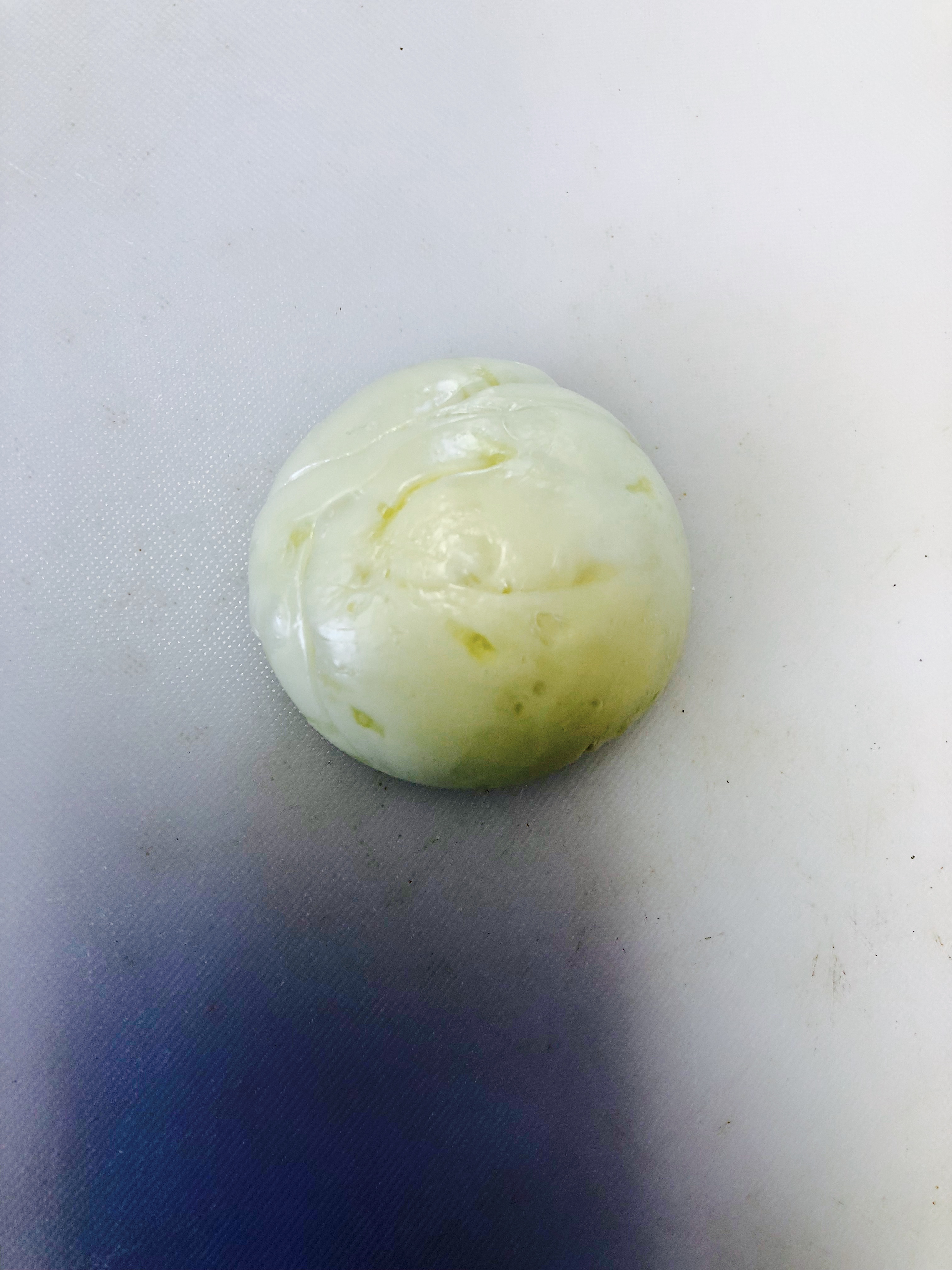
Making Mozzarella sounds a lot harder than it actually is, but you have to be careful to follow the steps very diligently. To make Mozzarella, you’ll need the following ingredients:
- 1/2 and 1/8 cup bottled (NOT TAP) distilled water
- 1/2 gallon milk, raw, pasteurized whole or pasteurized 2%, not ultra-pasteurized.
- 3/4 tsp teaspoon citric acid
- 1/8 rennet tablet or 1/8 teaspoon liquid rennet (Not Junket rennet)
- 1/2 teaspoon kosher salt
The general steps of this recipe is as follows:
- Prepare the Citric Acid and Rennet
- Warm the Milk
- Add the Rennet
- Cut the Curds
- Cook the Curds
- Remove the Curds from Heat and Stir
- Separate the Curds from the Whey
- Microwave the Curds
- Microwave the Curds to 135°F
- Stretch and Shape the Mozzarella
Our process of making Mozzarella Cheese went pretty smoothly until it came to step 8 when we microwaved the curds too much and they melted. We took very diligent steps while cooking the curds to make sure they were at the appropriate temperatures.
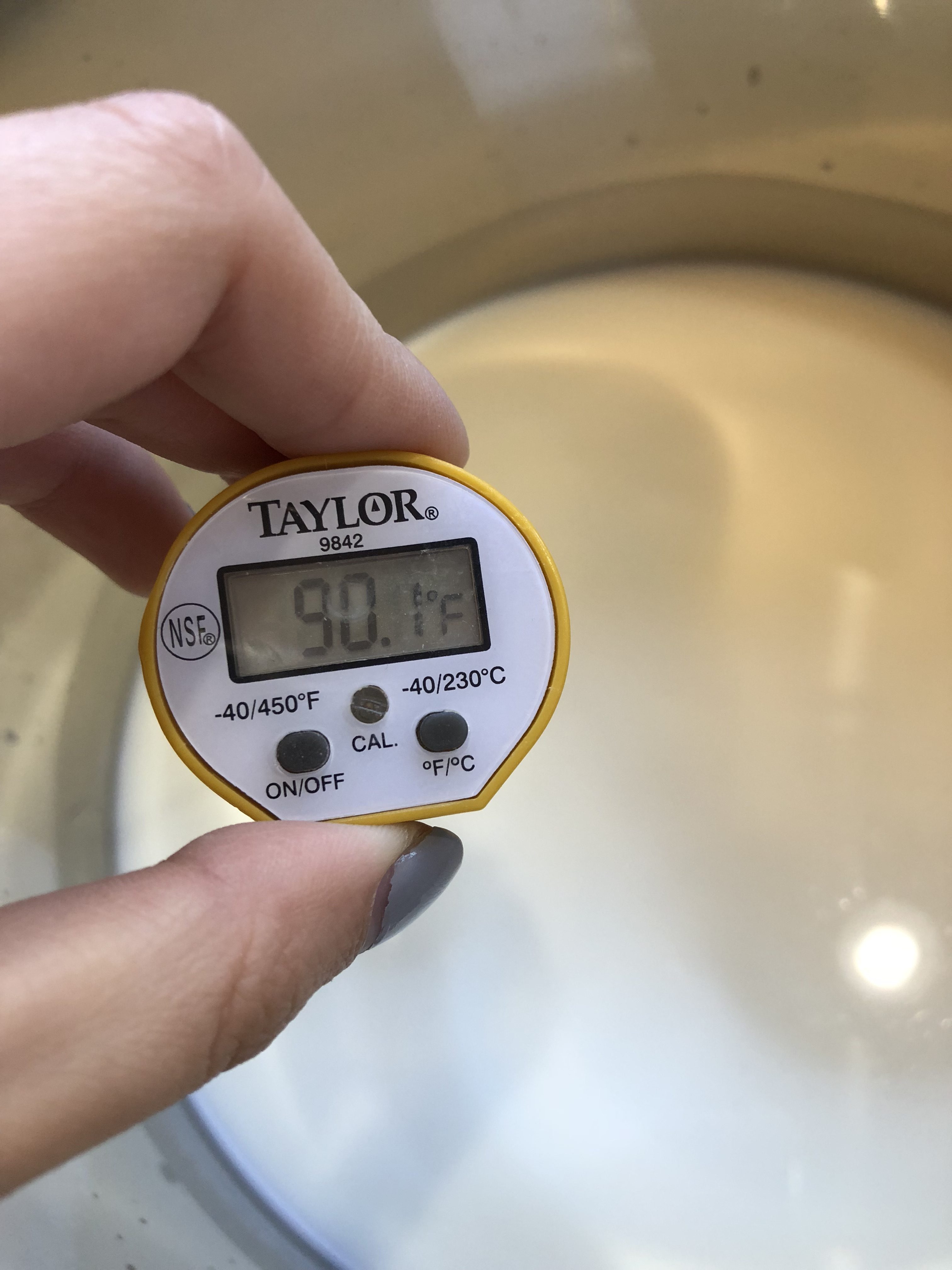
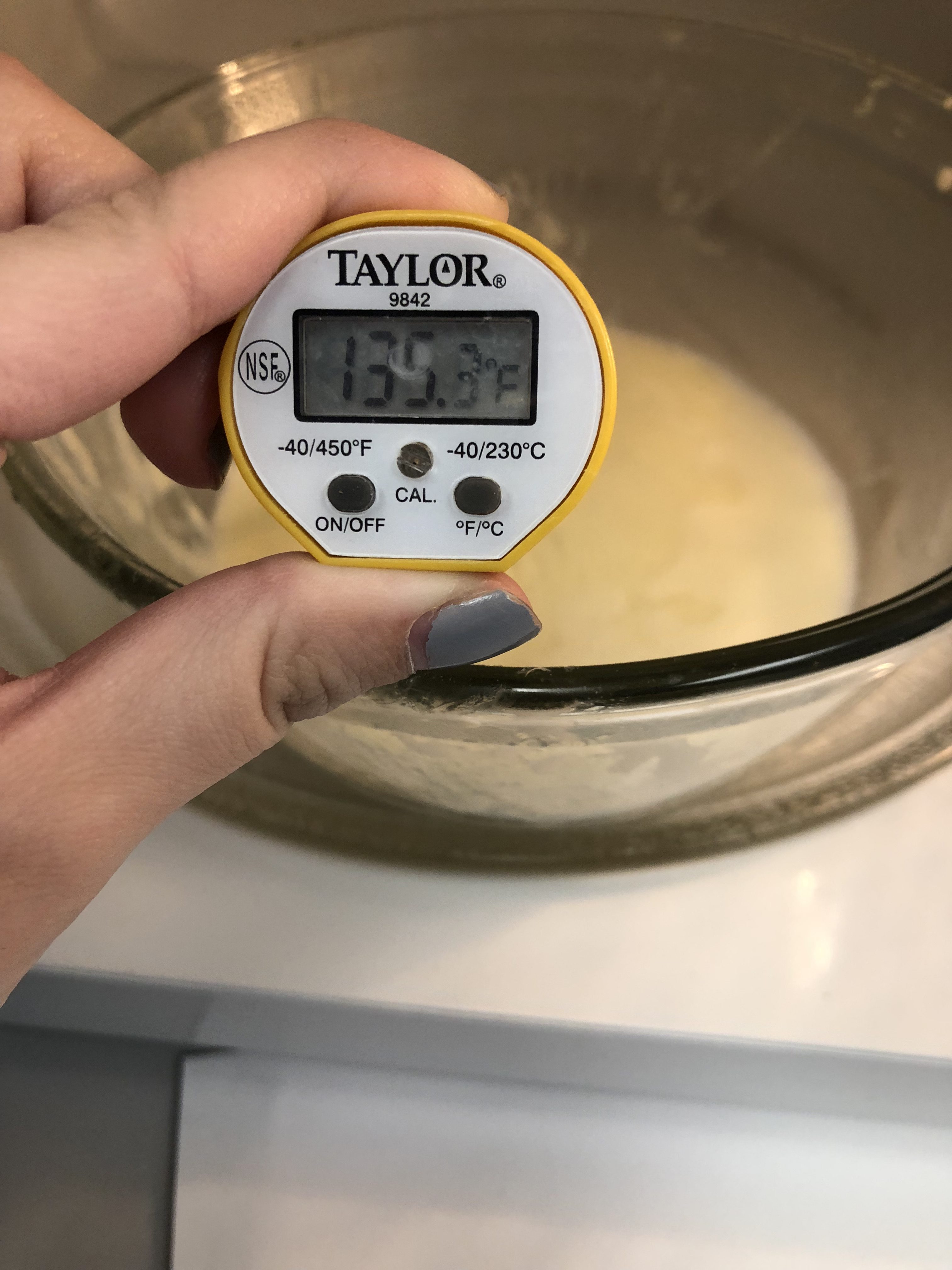
During step 8, we didn’t realize the curds were melted so when we put them back in the strainer, a good majority of the curds dripped through into the whey. Luckily, the curds had already separated from the whey in previous steps so it was not hard to recover the curds that fell back into the pot with the whey.
Curds and whey are the lumps and liquid found in cottage cheese. Curds are formed from acidic substances which lower the pH of milk and causes it to form into solid chunks during the process of coagulation. When acid is added to milk, the casein proteins denature and coagulate. Whey is the soluble liquid that forms from the curd after coagulation.
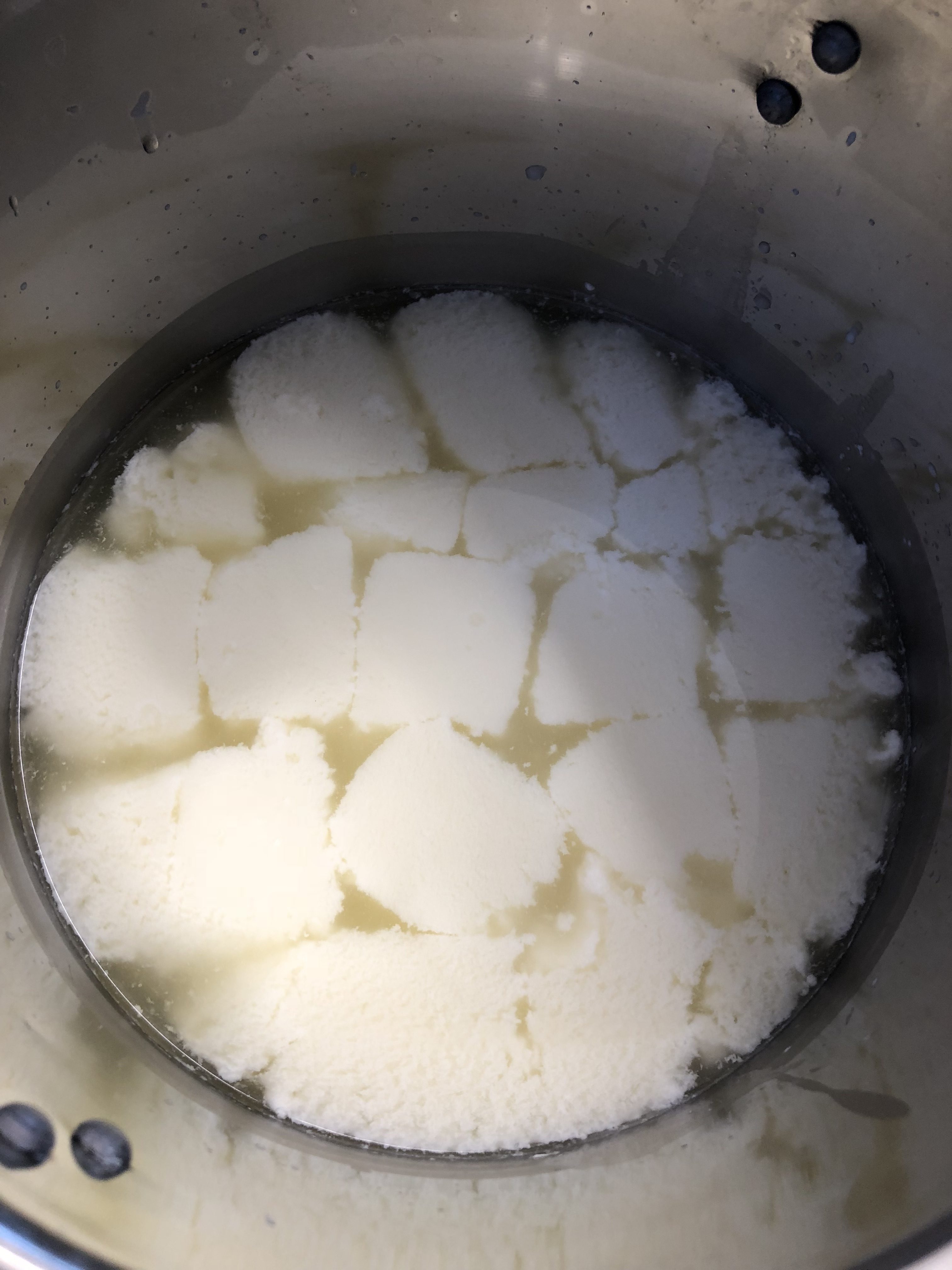
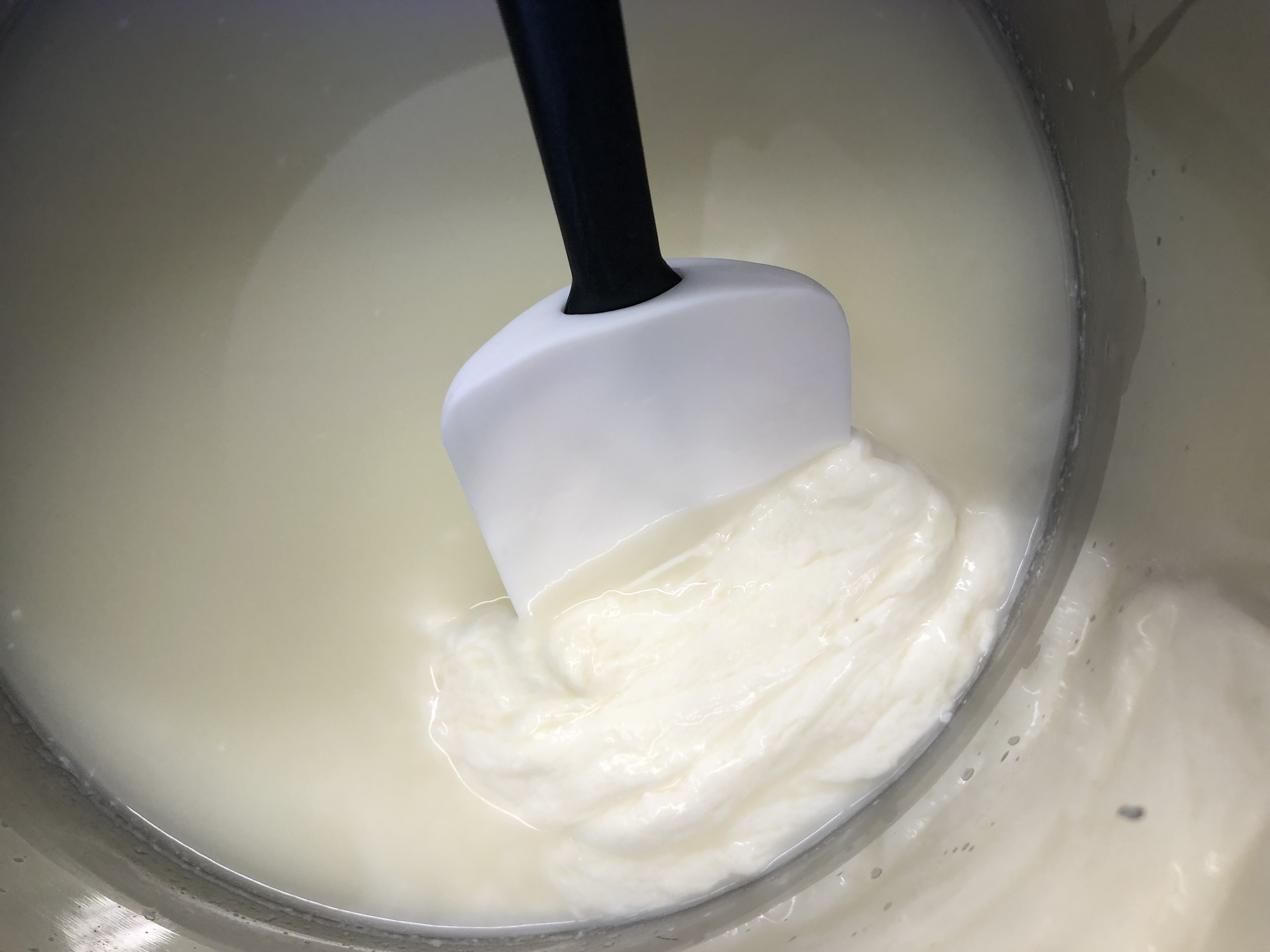
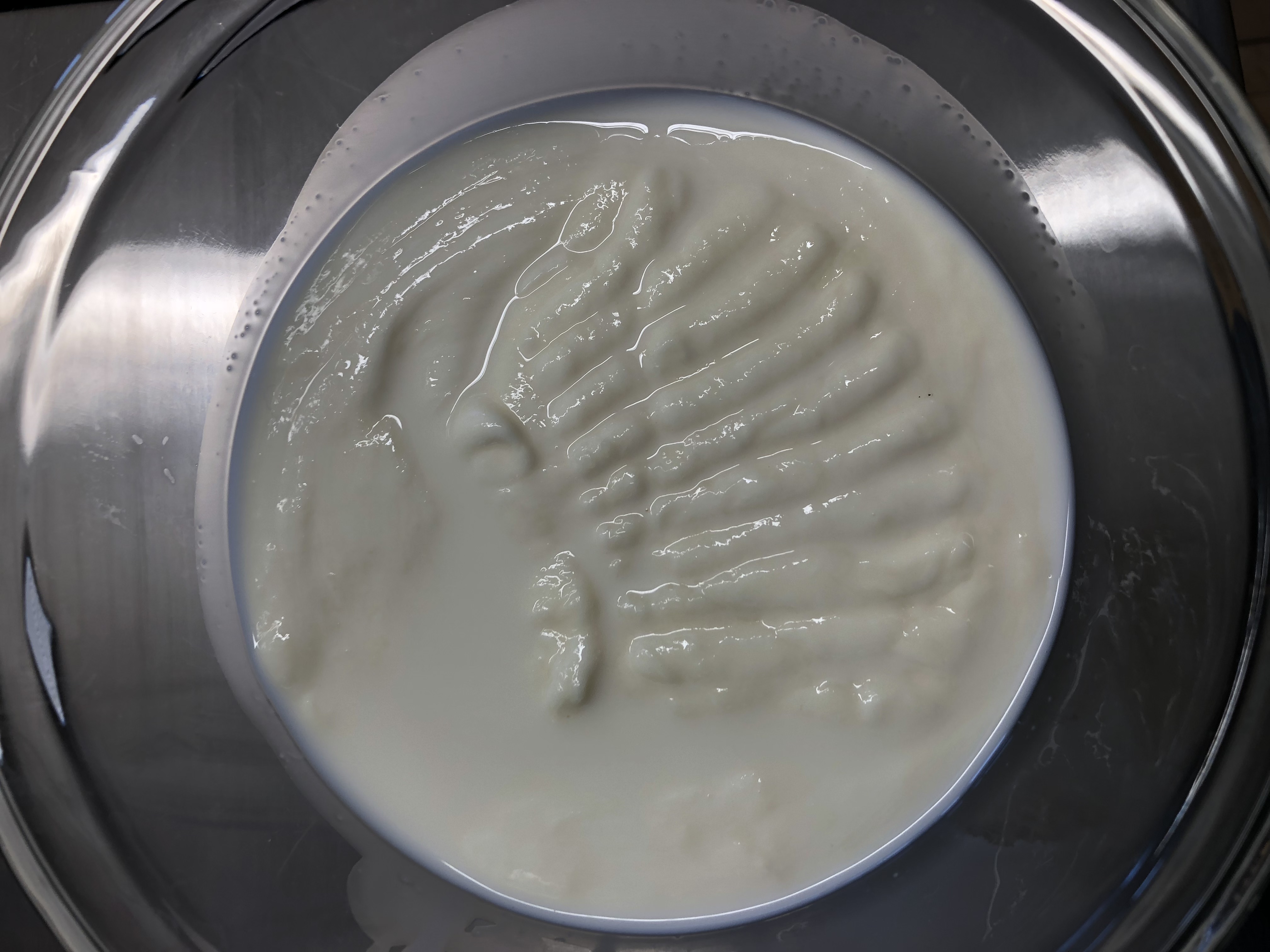
Once the curds were ready to be stretched and shaped into Mozzarella, we added salt for flavor.
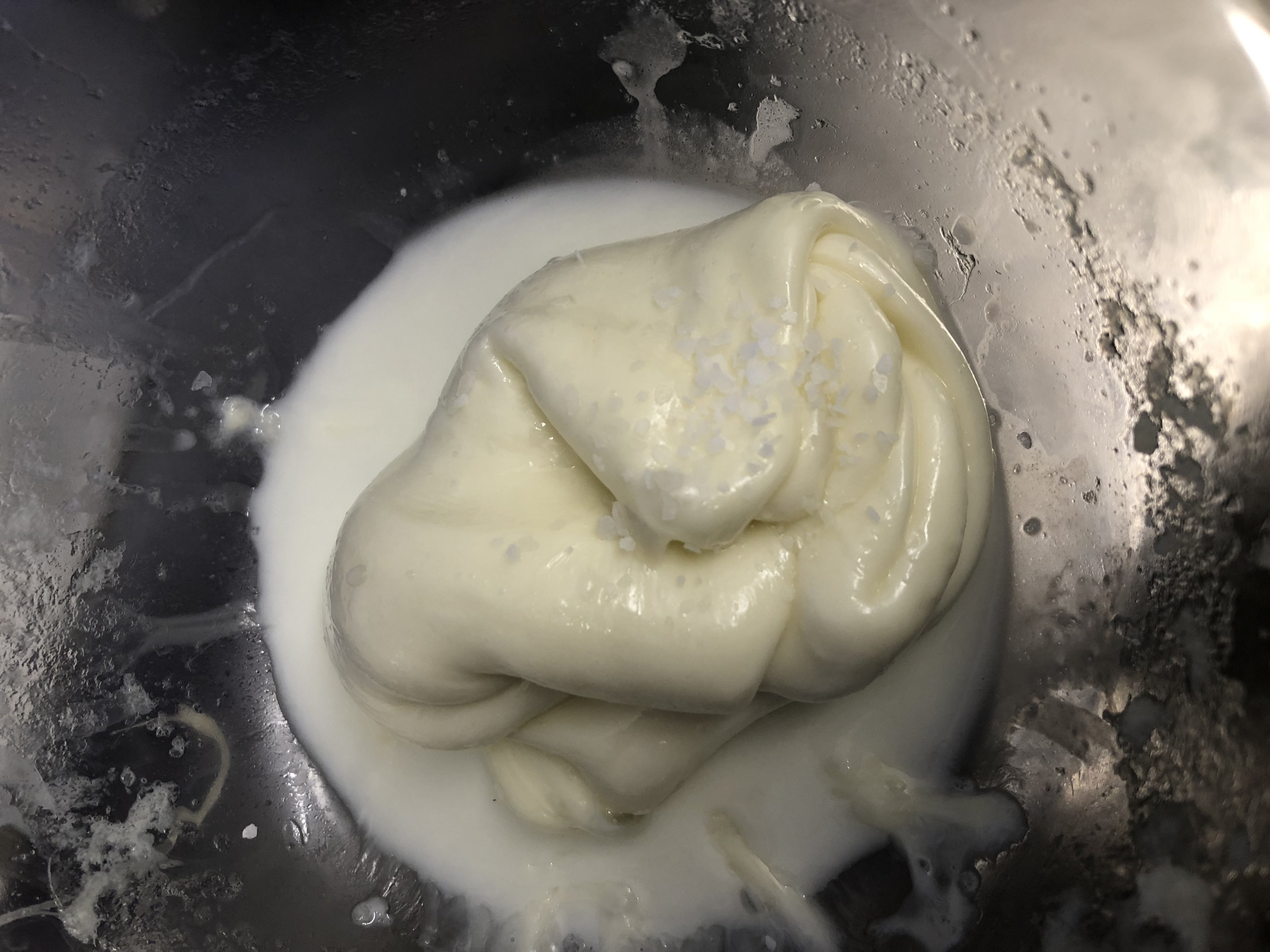
In other words, there was acid added to milk in order to form curds of casein and whey so that the curds could be used to make the mozzarella cheese.
The ingredient Rennet is an enzyme that is needed to make cheese. It can come from either the stomach of baby cows or vegetables. Rennet is added because it cuts the negative charged tails off of casein so casein can then coagulate.
Cheese made with raw milk has more flavor than cheese of made with pasteurized milk. Making cheese with raw milk can make different shapes and textures from crumbly, oozy, or firm.
For more on our experience with the taste and texture of our mozzarella cheese, check out the videos below!

I love the way you set up this blog! The use of the steps was very helpful in the understanding of when you started having trouble. I definitely can tell you overheated the curds because your final product does not look super smooth and uniform as mozzarella should be and looks overworked, but otherwise, it looks pretty good! Straining the curds is definitely not the easiest process when melted, but I’m impressed with how well you seem to have salvaged it. Great job overall!
I like how you explained what went well and bad in making mozzarella in your blog. I also like how you narrated your blog and the pictures really showcased each step in making mozzarella cheese. Overall Great Job!!
I like the overall look of the blog, and congrats on getting pretty decent mozzarella!! However, I think the questions at the end are a bit unclear, and the answers could be fleshed out a bit more.
I really liked how you integrated the chemical explanations into the description of how to complete the actual recipe! I think all the pictures are great and really show how the process works. I would maybe change the cover picture though, because your cheese looks a little green… Not super appetizing!