Integrated Assignment #3 – Aromatics
Assumption
I always thought of aromatics as something like an air freshener or oil, not something that is edible or can be put in foods. I never realized that aromatics were part of chemistry, being a substance or plant that emits a distinctive smell. In chemistry, I learned that aromatics are little molecules that are also called odorants and are experienced in the nose, not the mouth. Overall, I had a lot of false assumptions regarding aromatics because I had not associated them with Chemistry, meaning that I didn’t know about their physical state and characteristics.
Dish
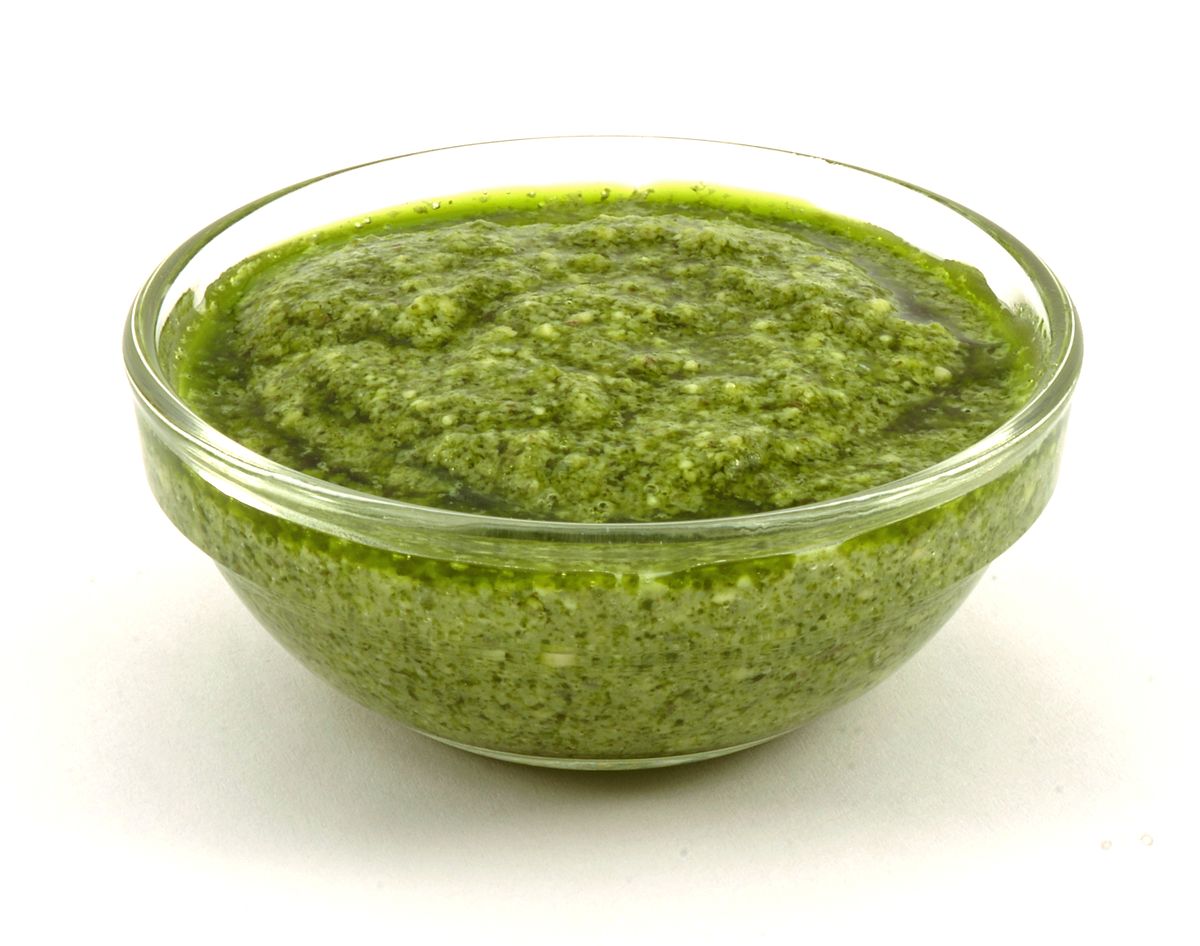
I chose Pesto as my dish because of the central ingredient basil. Pesto is an Italian dish that originated in Liguria, Italy.
Chemical Analysis
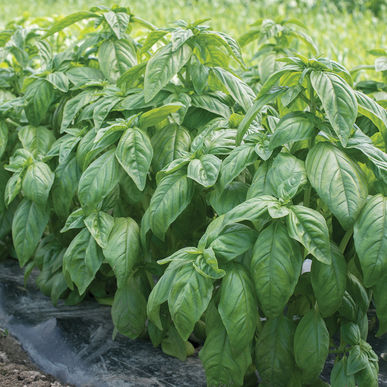
Pesto uses basil as the central ingredient in order to create the green colored sauce. Basil is an aroma molecule, more specifically a phenolic. A phenolic is warm, spicy, or sweet with characteristics such as less volatile and water soluble. Volatile molecules readily travel in the air and we can smell them by entering our noses with the air we breathe. Molecules of similar structures will give off similar aromas. The fragrance of the basil creates a rich aroma that covers the pasta.
Cultural Analysis
Basil is a culinary herb from the family Lamiaceae, with a Latin origin for the name. Pesto sauce is usually used on pasta, and was first created during the Middle Ages. Although pesto is a very common dish in Italy, it is different almost everywhere you go. The herbs and spices vary depending on the region of Italy as some use tomatoes and almonds. One of the most famous types of pesto sauce is Pesto Genovese, which first appeared in a Ligurian cookbook in 1863. Based off of this information, I believe that pesto is an important family recipe and can be passed down through generations. Due to its popularity, I think it’s a common and simple dish that many families could call a “comfort food”.
Integration
Similar to the idea that molecules of similar structure give similar aromas, different kinds of pesto sauce have similar outcomes. Although Pesto Genovese and Tomato pesto have different ingredients, they are both a sauce that covers pasta. A “comfort food” usually has a distinct scent and is something that people are accustomed to eating, something that is warm. Pesto sauce is exactly that, a warm sauce that covers hot pasta with a strong aroma of basil.

I enjoyed reading your cultural analysis. I found it to be quite informational, I did not know that pesto has origins that date so far back. I agree that pesto can definitely be a comfort food. As there are so many different takes on pesto though, it’s also a surprisingly diverse food. I also never knew that there was a version that is tomato pesto.
When reading your chemical analysis, one thing stood out to me that was kind of confusing. You said basil is an aroma molecule. I do not believe that is what you meant to say. Basil contains aroma molecules, but basil itself is not an aroma molecule.
Your integration also felt a little confusing. I did not quite follow how you were connecting the comfort food idea to the molecules and pesto being similar. I do agree that that is an interesting idea to point out though. The fact that different pesto can evoke a different reaction partially due to the scent and the different aroma molecules in the different pesto because of either a lack of or addition of certain ingredients. I think you could have developed that more talking about how there are probably ties to certain scents from certain regions that make pesto a comfort food for some. A pesto that has the scent of pine nuts could evoke different emotions in someone than one containing walnuts. A pesto containing tomato would create a feeling of comfort for someone who ate tomato pesto a lot but would not have the same reaction on someone who did not. Similar to the fact that certain scents are found pleasing to some people because of their scent receptors but are found displeasing by others because their scent receptors are different. Unique pesto for unique noses.