Olive Oil Cake – The Final Run
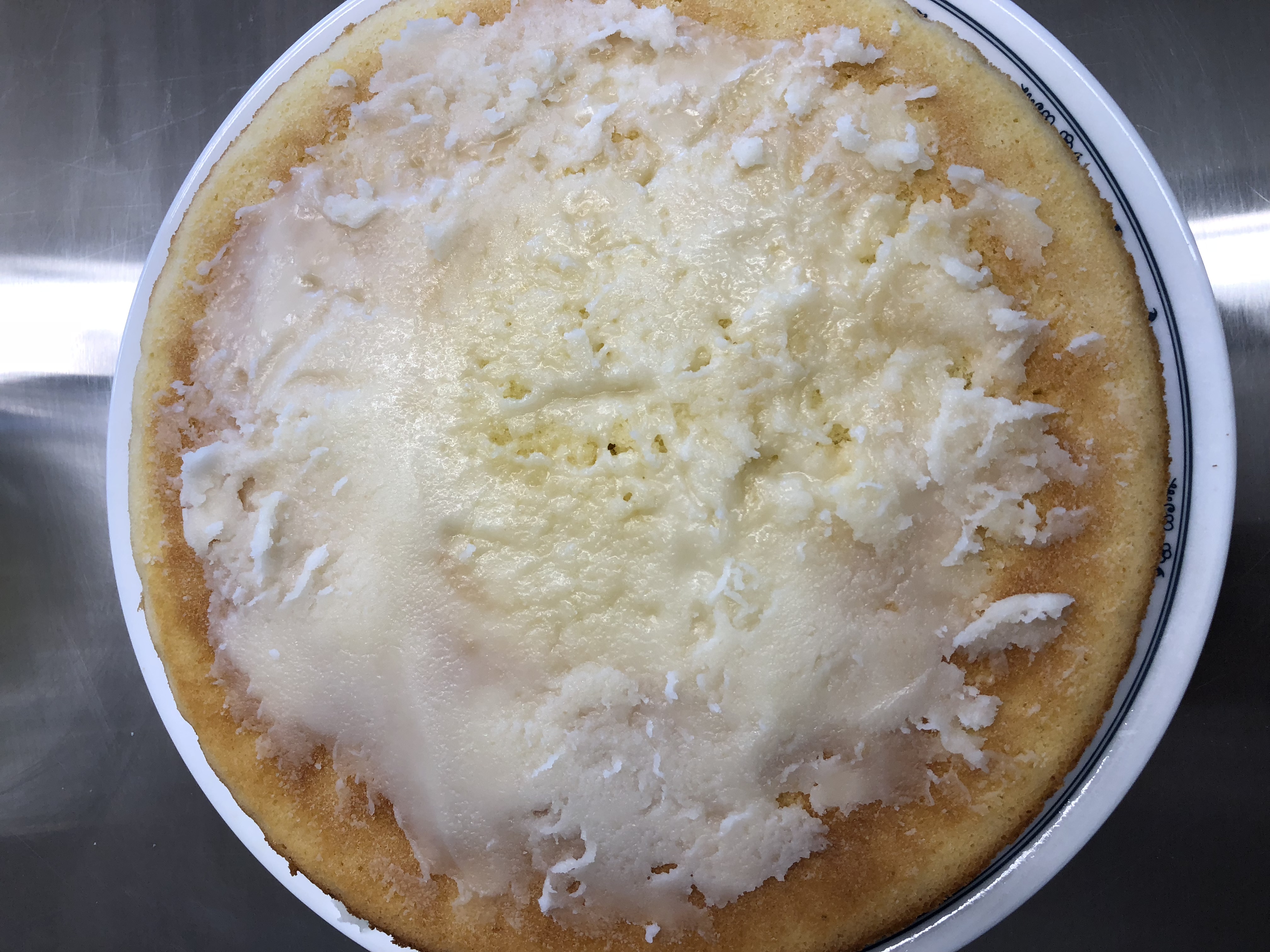
For our olive oil cake, we formulated outcomes for what we expected the color, texture, and flavor would be after it was baked. We decided that the color would be a mix of orange and yellow with an off-white glaze on the top. We also expected browned edges because of what we later learned was the Maillard browning effect. As far as the texture goes, we thought that the cake would be sponge-like with a softer inside compared to the outer edges. The glaze on top would be sticky and hardened. All of these outcomes turned out to be true. Lastly, the flavoring of the cake was sweet with a citrus taste from the glaze.
Materials
9 in cake pan
Cooking spray
Cake Ingredients
1 2/3 cups Gold Medal™ all-purpose flour
2 teaspoons baking powder
½ teaspoon salt
¾ cup granulated sugar
3 eggs
½ cup extra-virgin olive oil
½ cup Yoplait® Original French vanilla yogurt
1 tablespoon grated lemon peel
Glaze Ingredients
2 tablespoons fresh lemon juice
1 tablespoon extra-virgin olive oil
1 cup powdered sugar
Grated lemon peel for garnish, if desired
Directions:
- Heat oven to 350°F. Grease and flour 9-inch springform pan, or spray with baking spray with flour.
- Mix flour, baking powder and salt.
- Mix granulated sugar and eggs with a mixer on low speed until blended. Add olive oil, yogurt, and lemon peel; mix until blended. Beat in flour mixture until smooth. IMG_2240 This video represents the denaturation and coagulation of the eggs. The beating/whipping is breaking down the proteins into single strands that form into tiny clumps during coagulation and become solid-like. Coagulation is occurring when the cake is in the oven undergoing heat.
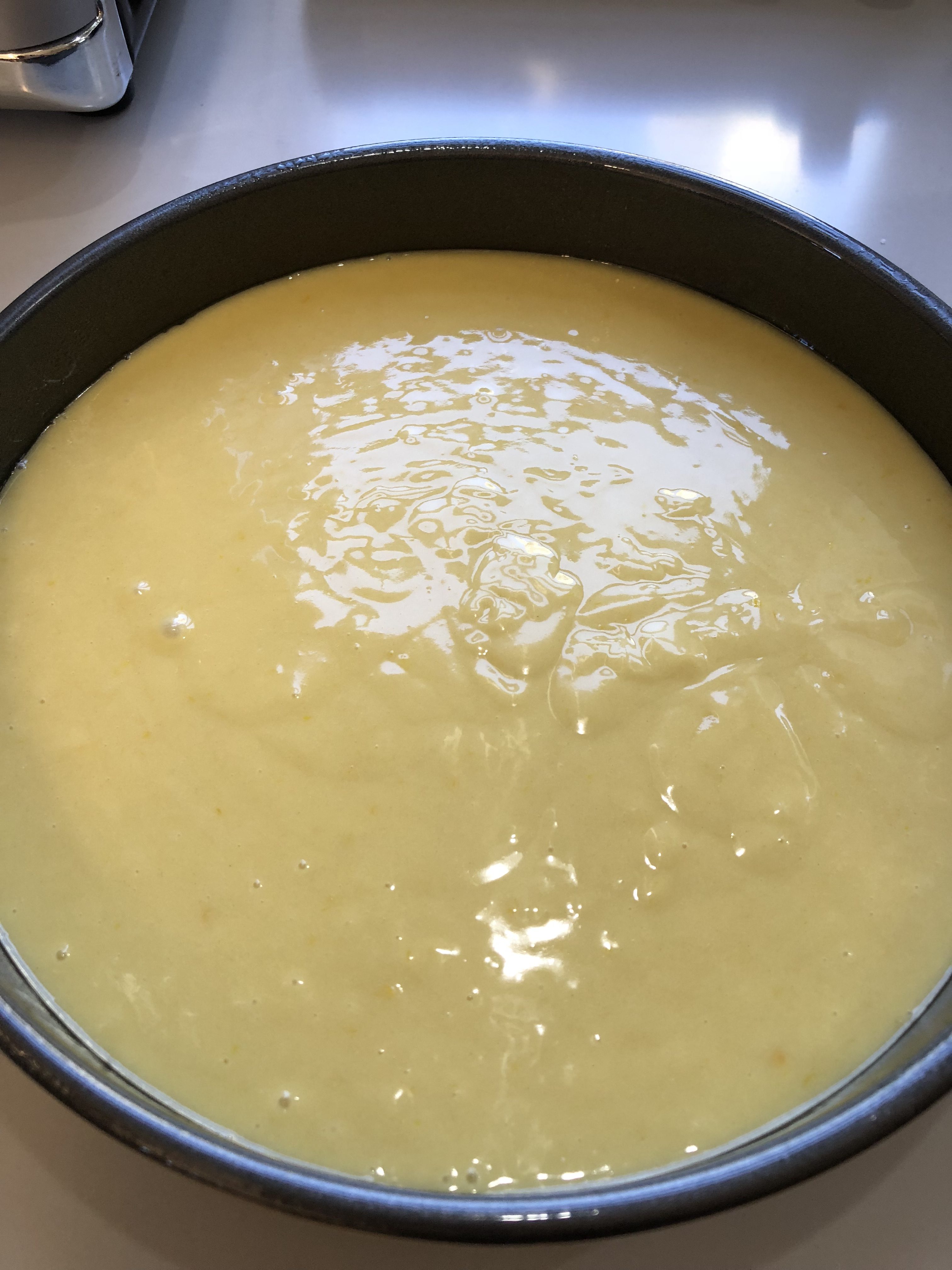
- Pour into cake pan.
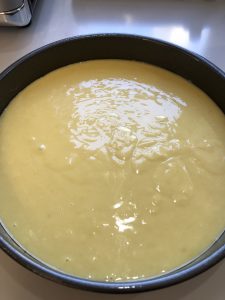
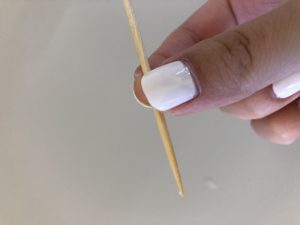
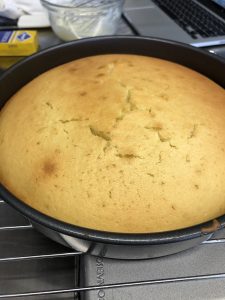
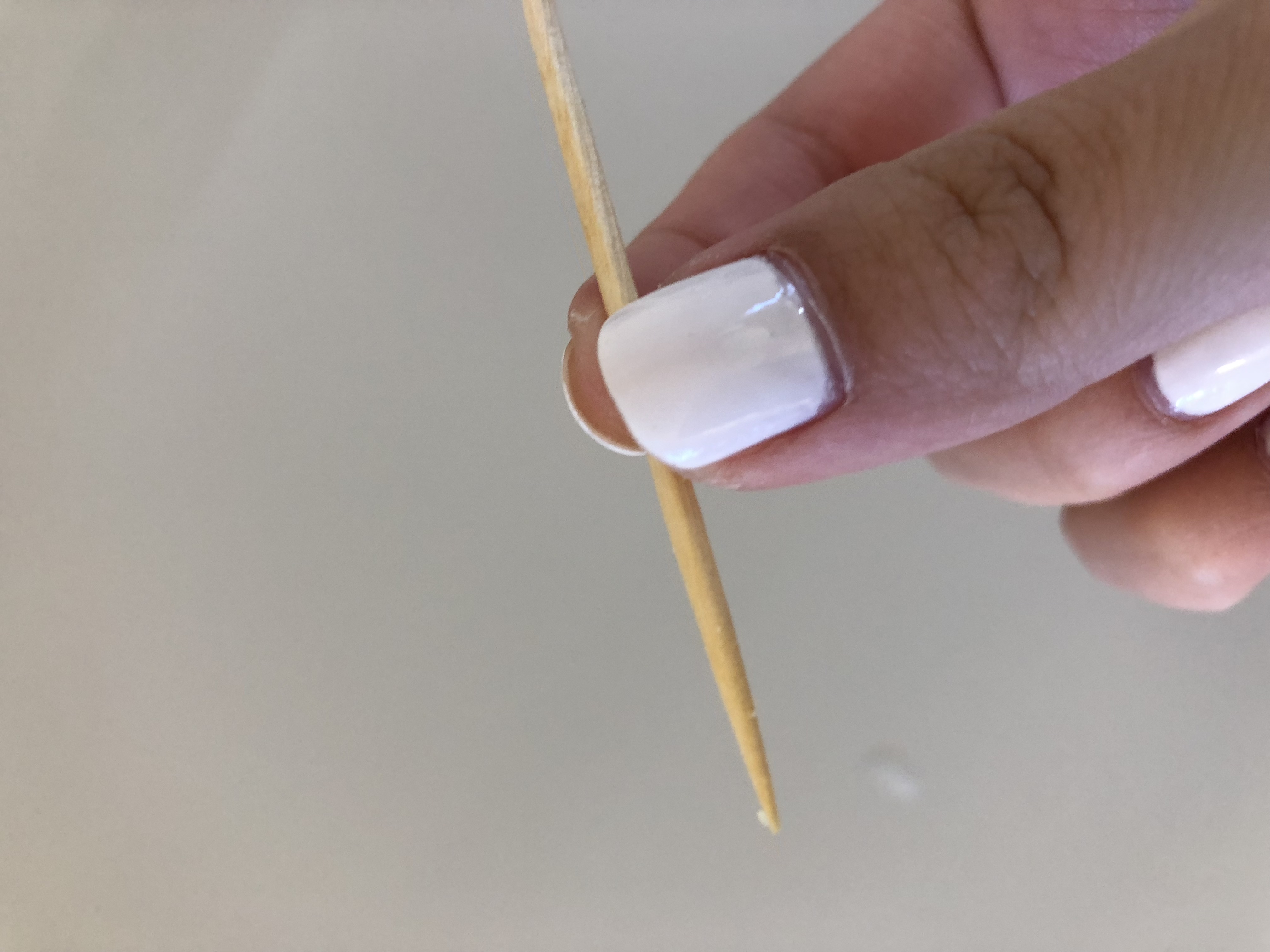
- Bake 30-35 minutes. Insert a toothpick to make sure it comes out clean.
- Cool cake for 15 minutes on a cooling rack.
- In a small bowl, mix lemon juice, olive oil, and powdered sugar with whisk until blended.
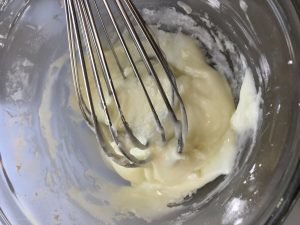
- Drizzle glaze over the cake.
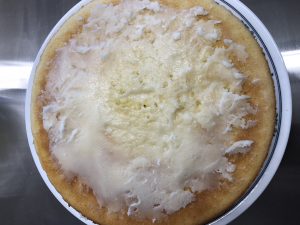
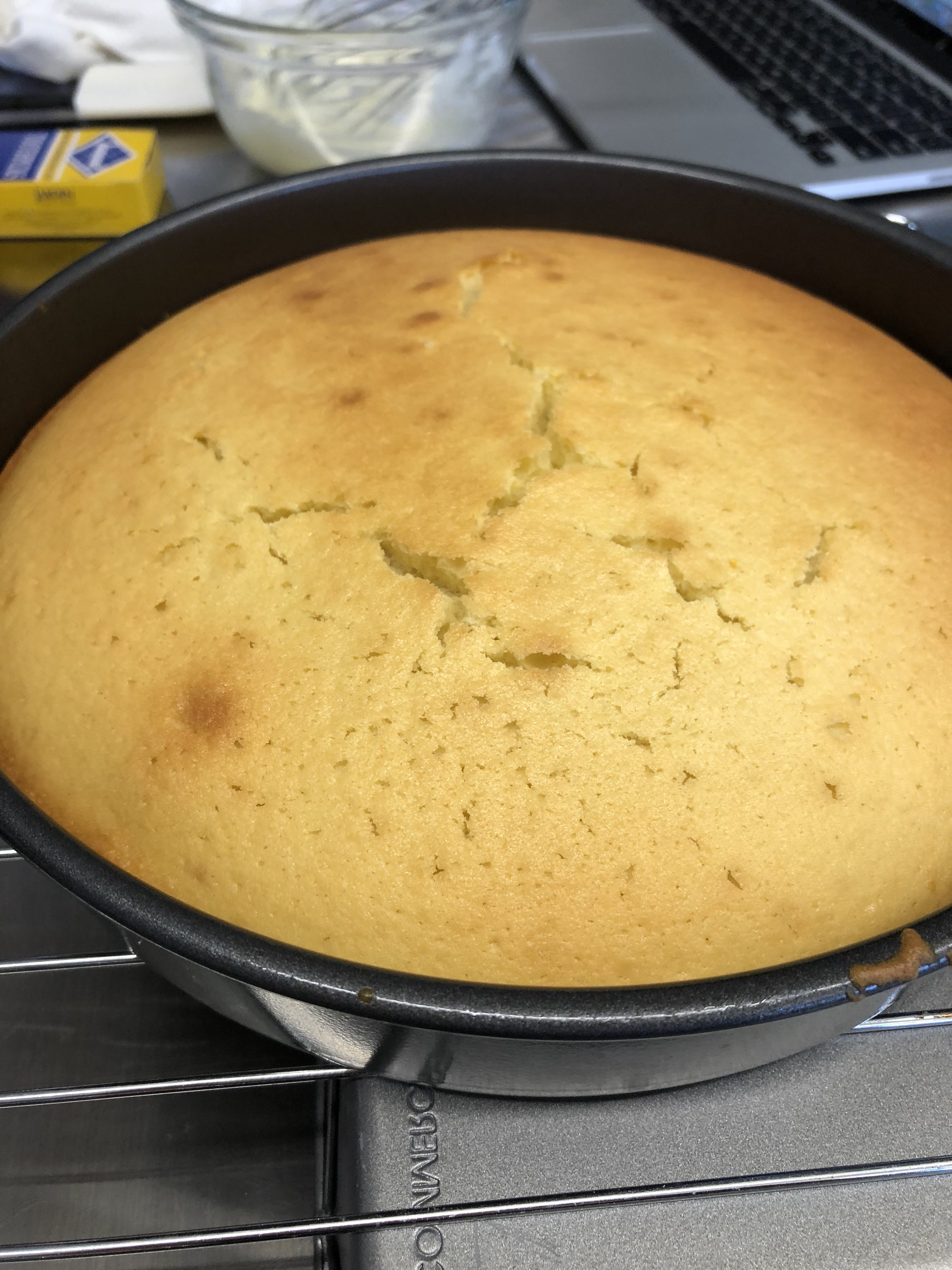
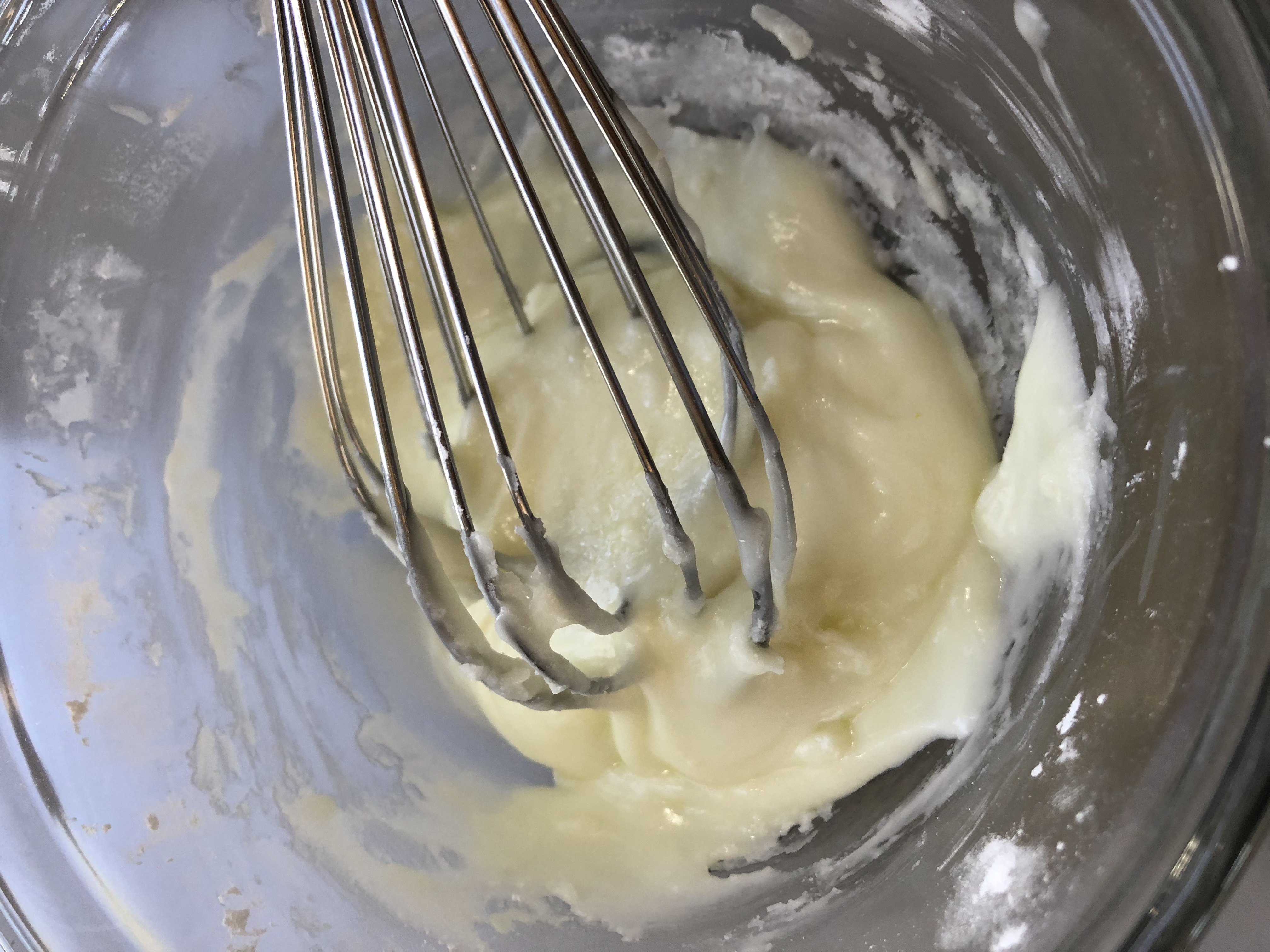
The part that we struggled with the most was spreading the glaze on the cake (Step 7). The glaze was thicker than we anticipated so we decided to put in the microwave to try to loosen it up. The glaze was easier to use once heated but quickly got back to its original form of being thick.
While making olive oil cake, there were several chemical explanations for things that occurred during the process. First, the eggs were denatured and coagulated. Second, flour acted as a leavening agent while the cake was in the oven. There were also aroma molecules, citrus, which enhanced the scent and flavoring of the cake. Finally, Maillard browning occurred while the cake was cooking.
Eggs
Eggs are the protein in the olive oil cake. Proteins unfold during denaturation and form single string amino acids. The hydrophobic parts stick together during coagulation and form a solid-like substance. While denaturation occurs through agitation, coagulation occurs while the substance is being heated.
Flour
Gluten is made from glutenin, gliadian, and water. Flour acts as a leavening agent when the cake is in the oven. Flour acts as a leavening agent by allowing the cake to expand and rise.
Citrus
Citric acid has a sour taste where the H+ ions are released from acids. Lemon juice would be considered a terpene aroma molecule which means it’s very volatile. Citric acid gives a strong, pungent taste in the lemon glaze.
Maillard Browning
Maillard browning occurs through sugar, amino acids, and high heat. The glucose (sugar) opens up at the anomericcarbon which leads to dehydration of the amino acids. Then all of the molecules get rearranged. These molecules all have nitrogen and sulfur and are derived from the amadori compound.
Please find a video describing the outcomes of our olive oil cake below.

Your olive oil cake turned out beautifully! The taste was perfect, it was perfectly light and the citrus pop really added to it. It is pretty clear from the picture that the glaze was a bit of a struggle. I’m wondering if you had kept your glaze on low heat (like a double boiler) with one stirring to keep it smooth, if this would have kept it thin enough to make easier to get an even glaze on your cake, but looks do not matter nearly as much as the taste, which was phenomenal. The steps are well written and easy to follow and your outcomes did clearly play out in your final product. Great work!
Nice job guys! I got to try your olive oil cake when you made it, and it was really good! The cake was wonderfully moist, and had a good texture to it. It was also not to heavy. Your glaze on top tasted great, with just the right amount of lemon flavor. The only thing that I’d maybe change is the presentation of the lemon glaze on top of the cake, as it looked a little haphazard, but otherwise great work guys!
Your olive oil cake looks great! I was so happy I got to taste it the first week you guys made it. Your blog is also easy to read and well organized. The only thing I am confused about is why your glaze became so thick. Overall, great job!