Integrative Assignment – Olive Oil Cake
- Assumption
Before Kitchen Chemistry, I did not consider olive oil as a fat used in cooking. I always thought it was used for flavoring, which it is, but I did not know about the chemical aspects of it. When making something with flour, the olive oil acts as a fat and can prevent the formation of gluten. I learned that olive oil and butter are similar in the way that they both work to lessen the formation of gluten in a recipe depending on when they are added during the preparation phase.
- Dish
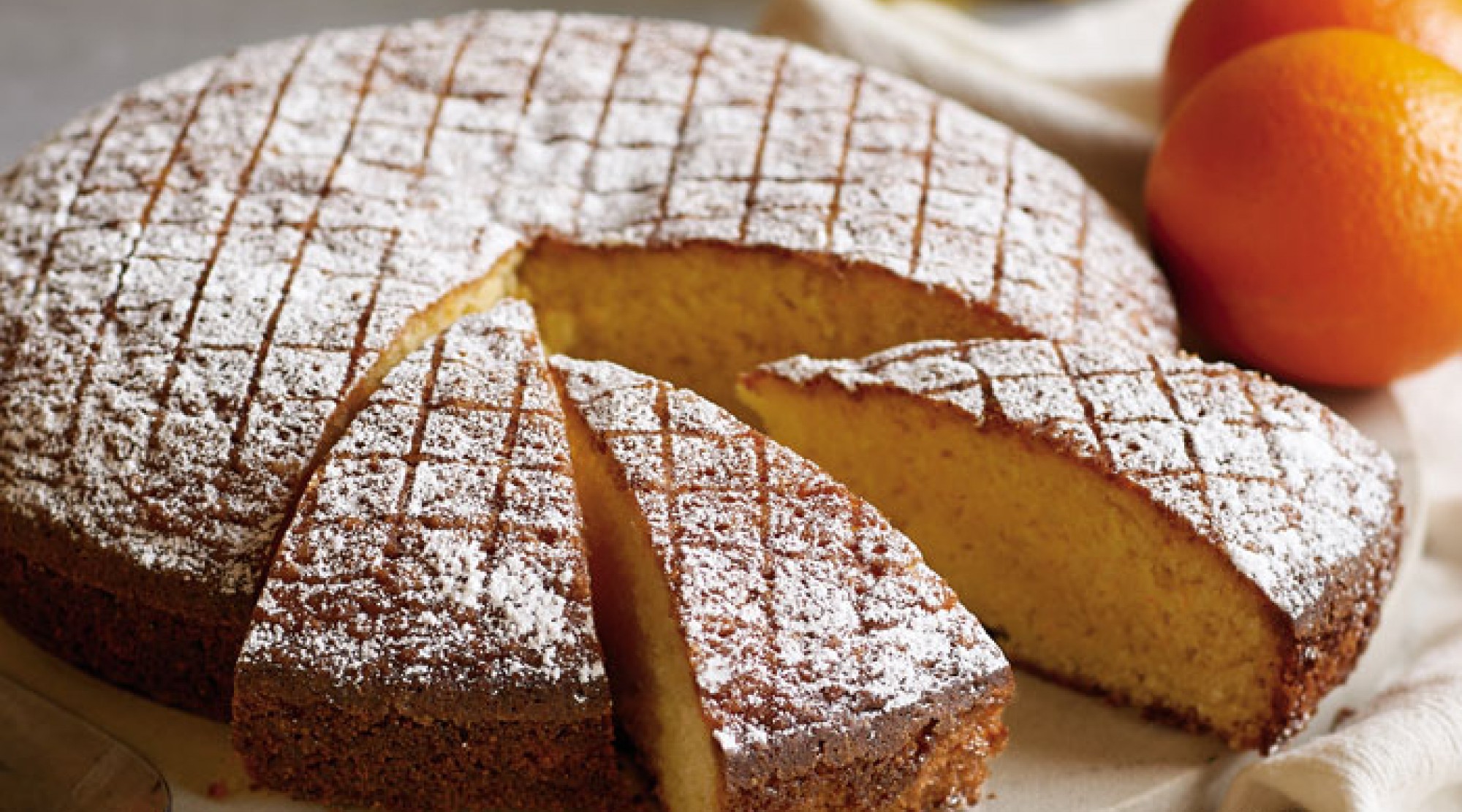
The only recipes I was familiar with that included olive oil as the main ingredient were dip for bread, pasta with olive oil and garlic, and some salad dressings. I recalled hearing and talking about olive oil cake in one of our Eatalian classes so I decided to look further into that recipe. Olive oil cake is described as a more flavorful version of angel food cake.
- Chemical Analysis
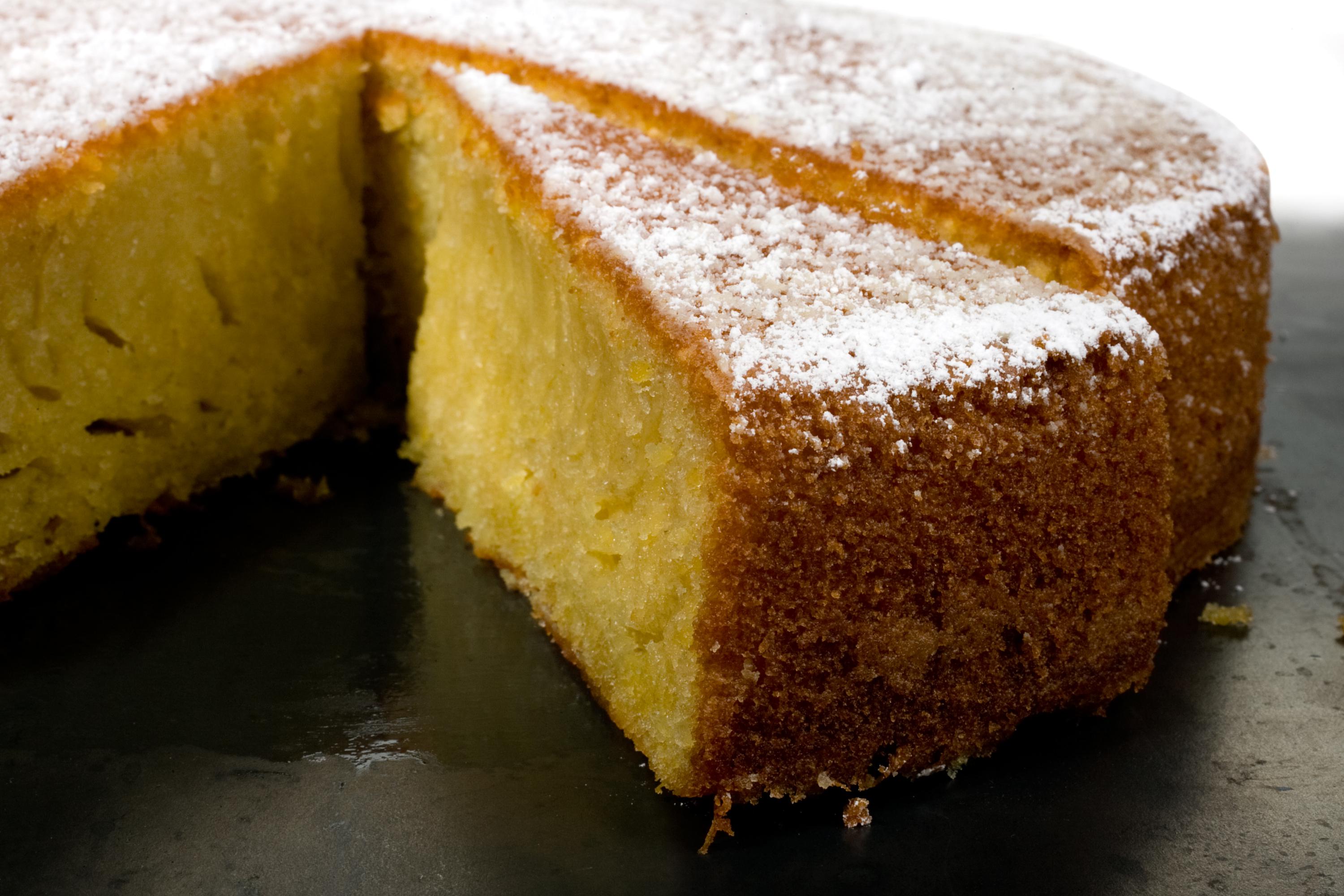
As previously mentioned, olive oil cake is similar to angel food cake. The difference between these two cakes is that olive oil cake is a higher-ratio cake meaning that the fat (olive oil) and sugar content outweigh the flour content. Olive oil was added to this cake because people wanted a more favorable type of cake, and the fat component adds to the taste. The fat component adds to the taste and texture of olive oil cake. This cake also requires a certain type of flour, bleached flour, in order to balance out the pH level. The bleached flour prevents the cake from falling apart.
- Cultural Analysis
Olive oil cake was first created in the late 1920’s when Harry Baker decided to make a cake similar to angel food cake but with more flavor. He began messing around with different ingredients and recipes until he tried using vegetable, or “salad” oil, instead of a solid fat, butter. Olive oil cake was first known as chiffon cake, which has been a staple in American baking since 1948. That same year, the recipe was sold to General Mills and marketed as a recipe that was so easy even husbands can make it. In class, we have learned that olive oil is an essential tabletop item when eating meals in Italian homes.
The book, Extra Virginity, described the process of making perfect olive oil, which you cannot buy on the shelf of a supermarket. The process that was described in the beginning of the book reminded me of the process Harry Baker went through when making olive oil cake. Baker tested out over 400 recipes until he came across the perfect one, and that’s what olive oil makers did as it was a long and hard process making the perfect oil.
- Integration
Similar to the chemical properties of food, it takes time for a recipe to be created and perfected. The amount of time and energy that Baker went through while trying to make a flawless olive oil cake recipe was partly due to him wanting to perfect the texture of the cake. Olive oil cake was made to include more fat and lessen the flour content to improve the flavoring. The Italian culture uses olive oil as a central ingredient in a lot of their recipes which is comparable to the centralization of olive oil in this cake.

Overall, I think this is a very well put together integrative assignment! I actually did the exact same thing, so it was fun to read your interpretation on olive oil cake. I think you definitely could have gone a little deeper in the explanation of the chemical analysis of olive oil and its effect on the cake itself. I really enjoyed reading your cultural analysis and appreciated how in depth it was because I had a very difficult time finding any information on it. Your tie back to the text, Extra Virginity was also a nice touch and added evidence to support what you were saying. I also talked about time in my integration section! Great job overall. The photos you found are also beautiful and look incredibly yummy!