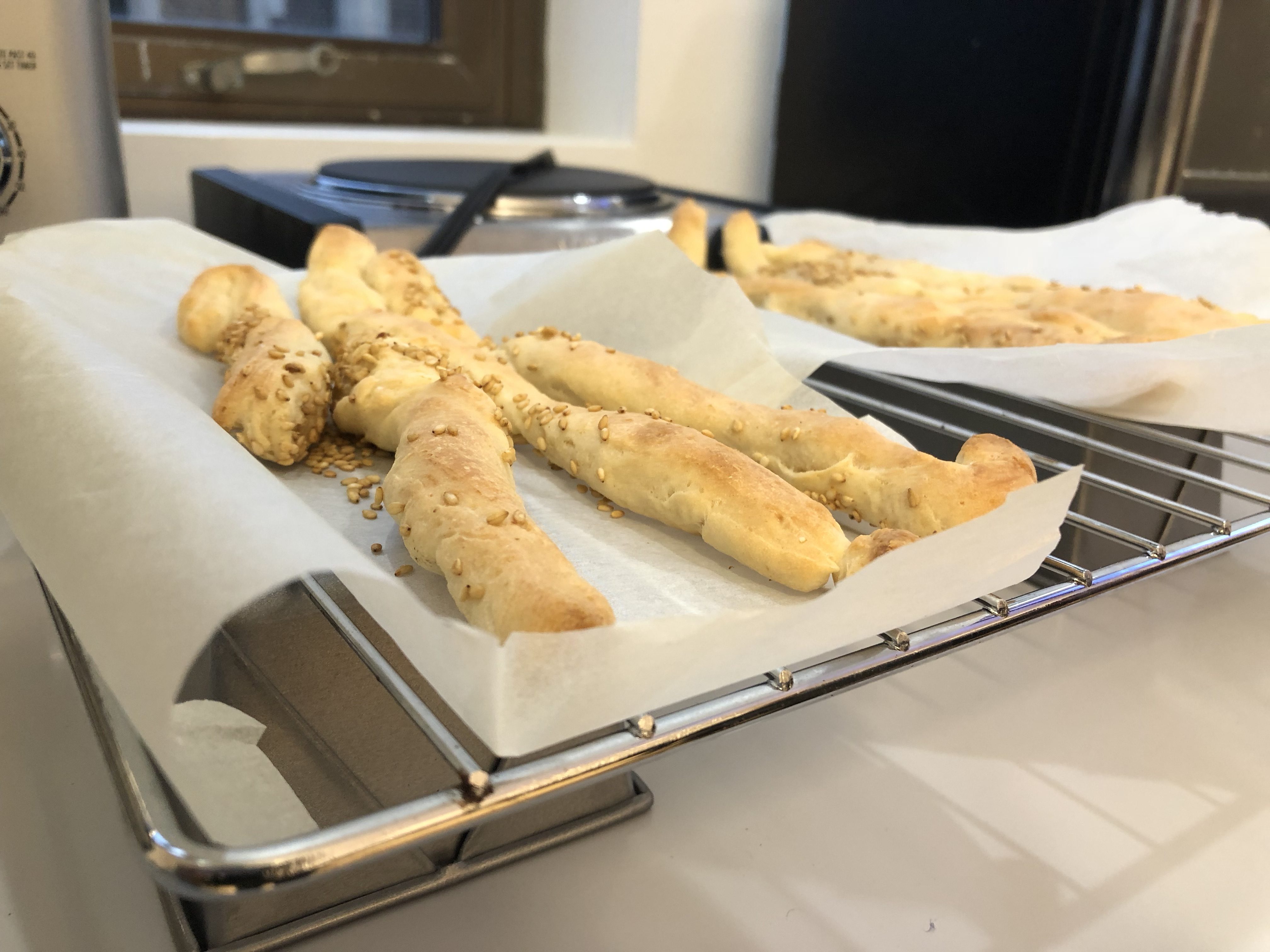
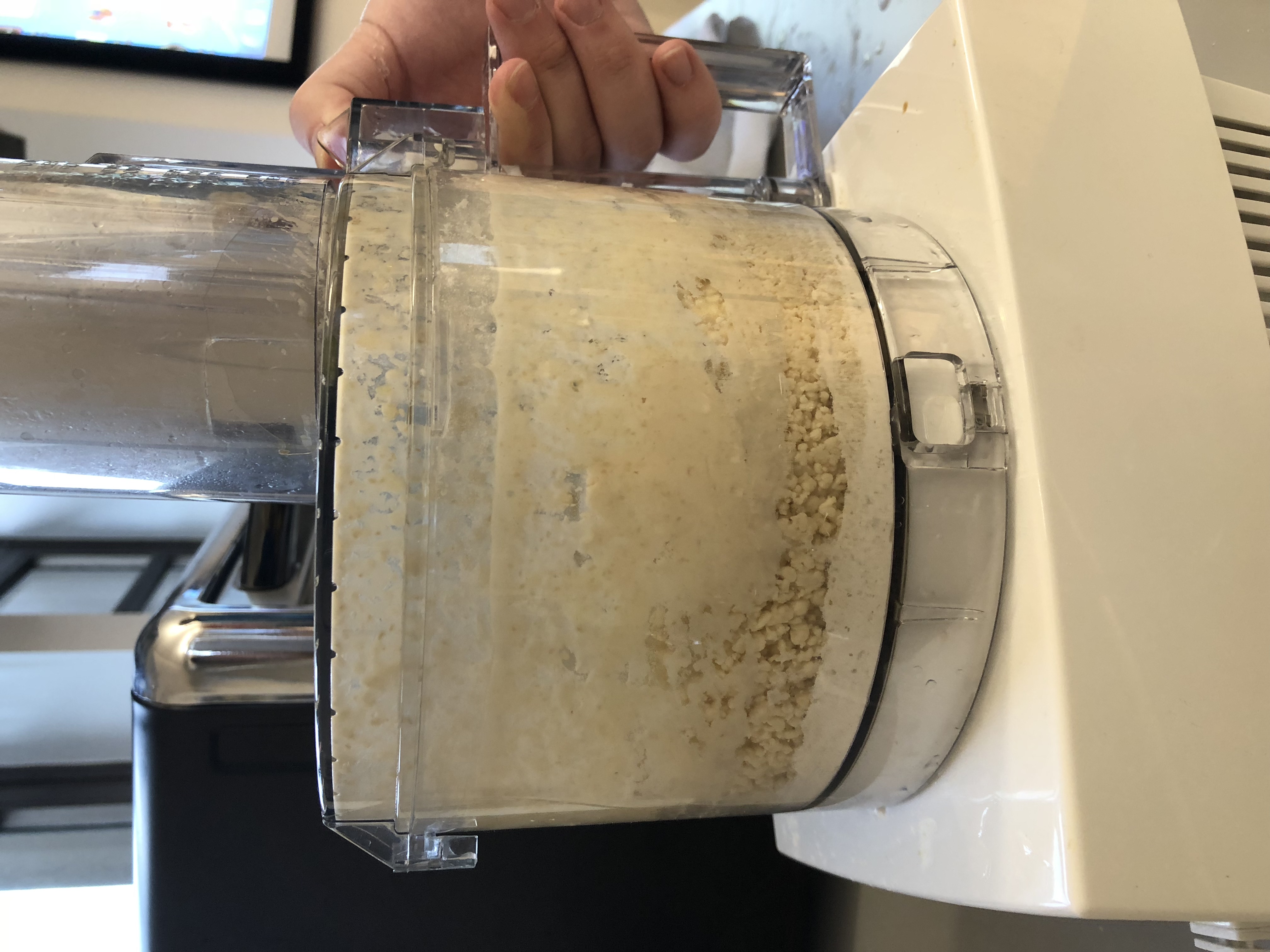
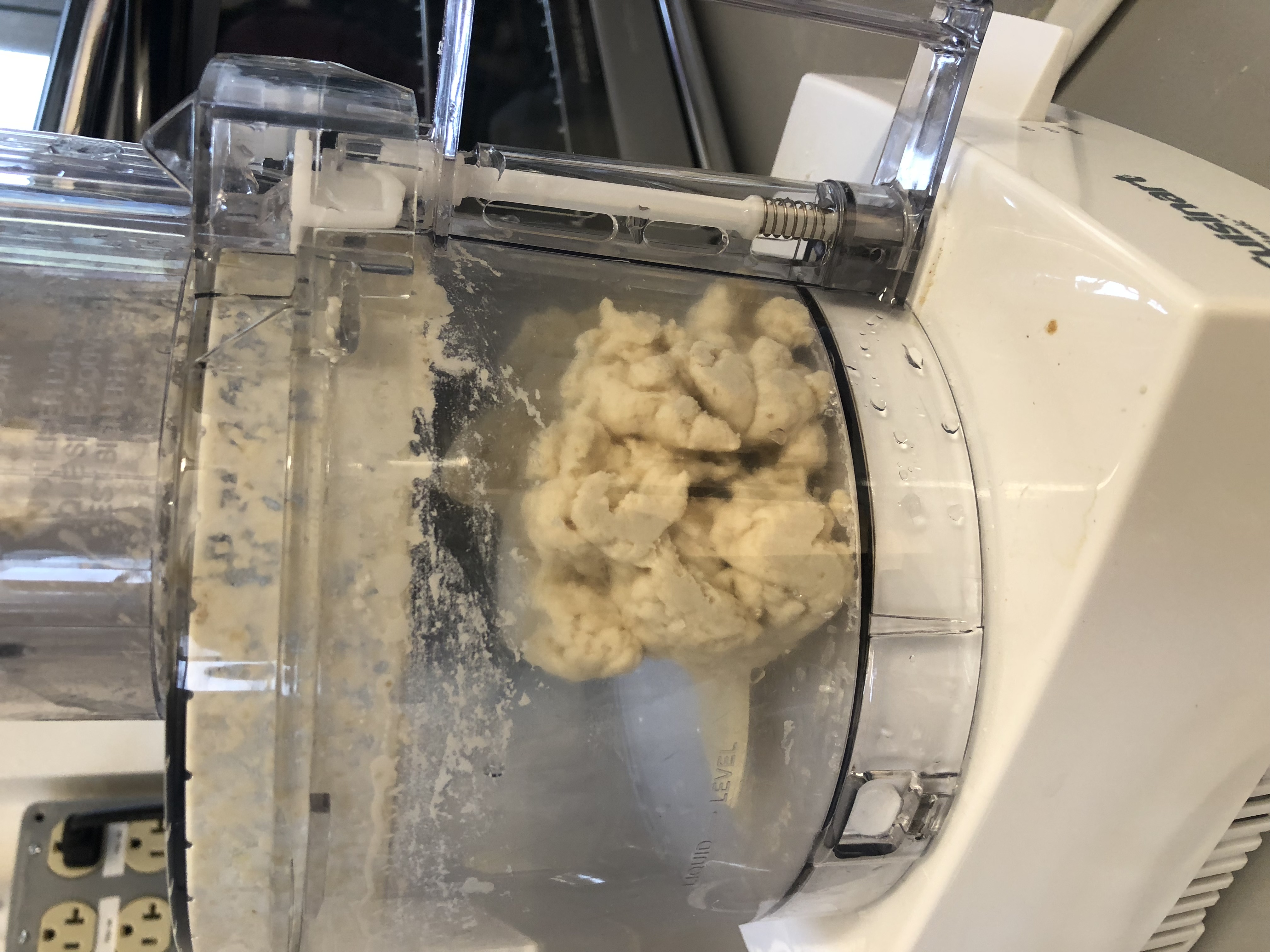
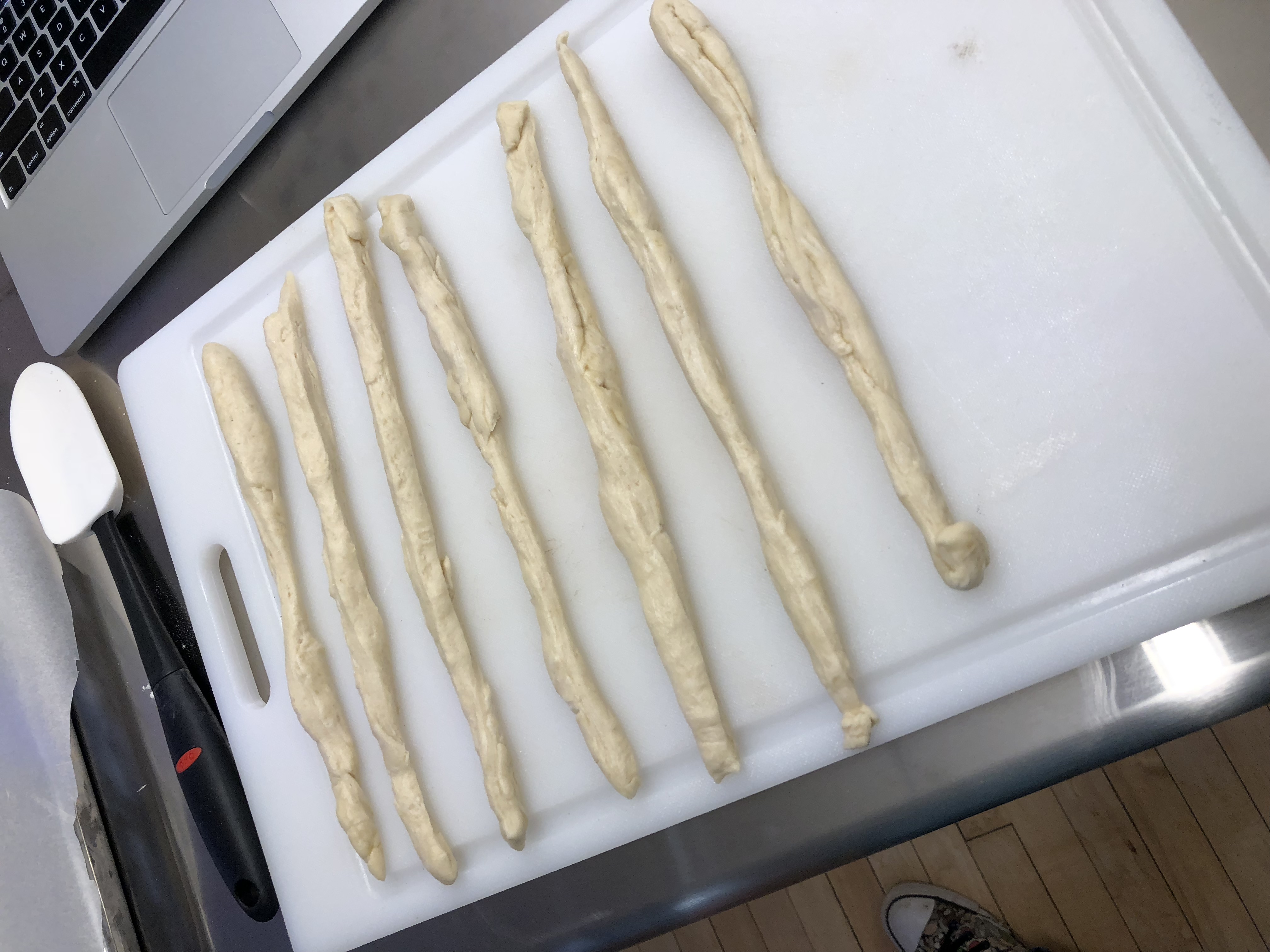
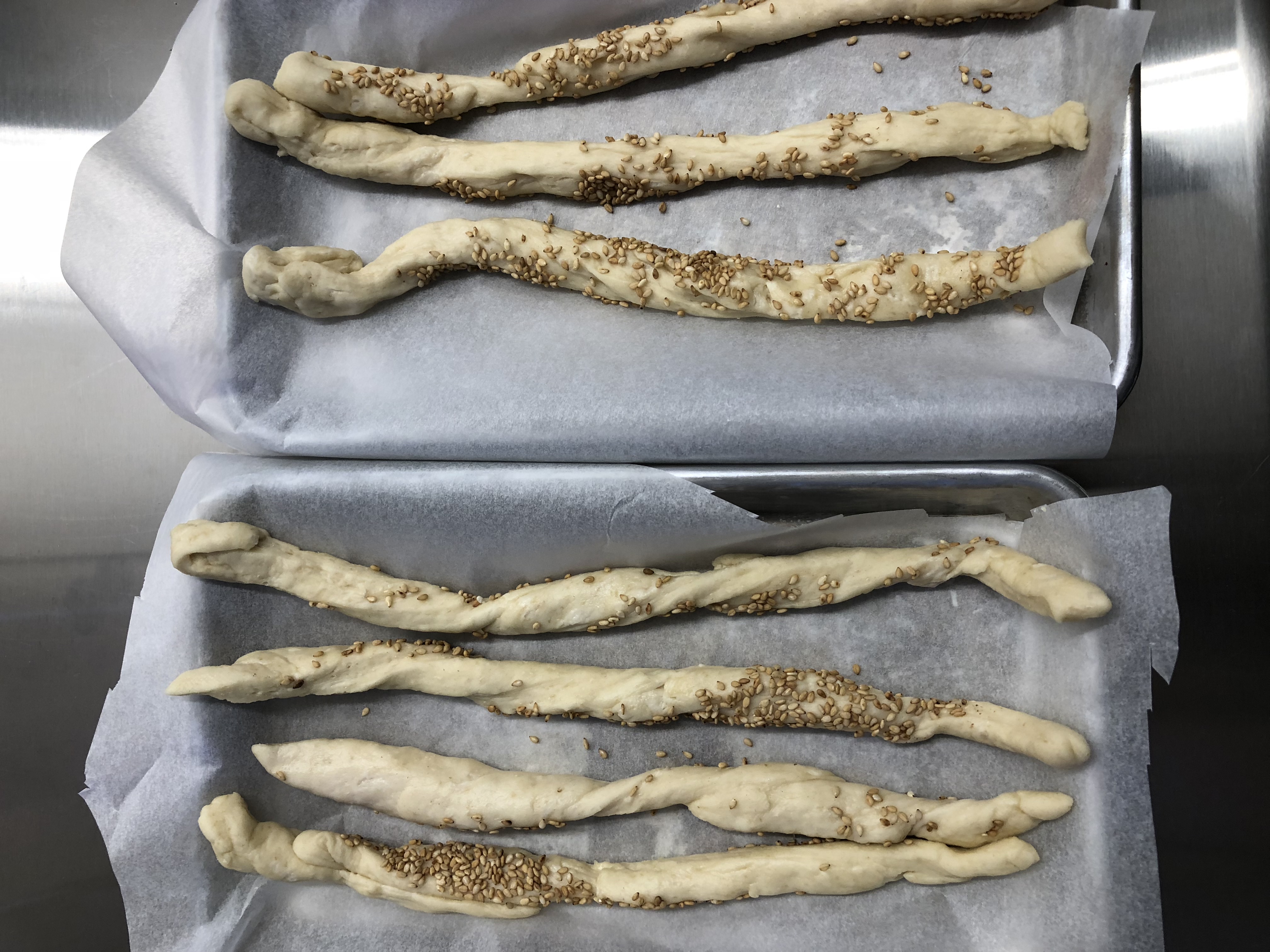
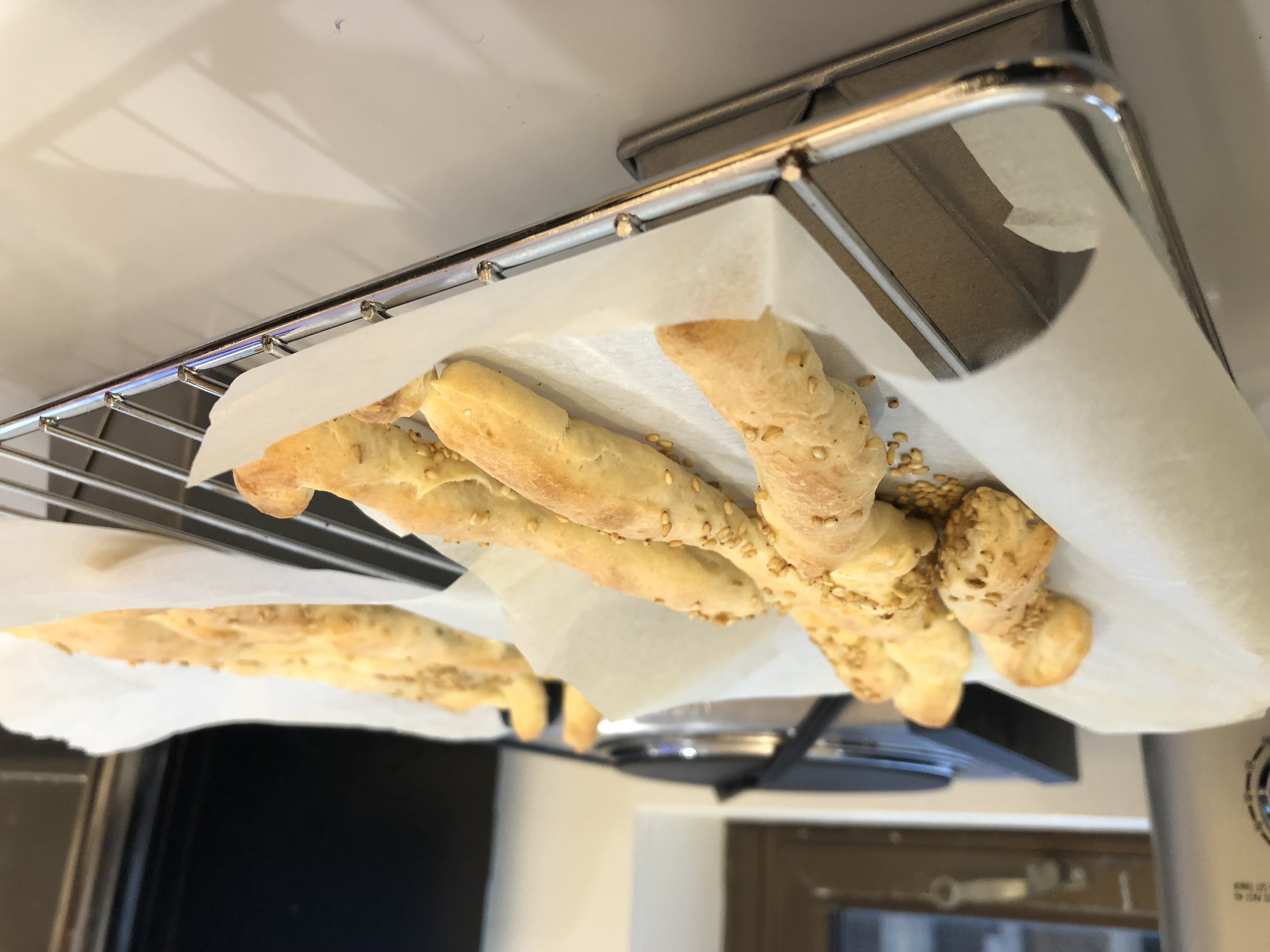
In our first lab period of Kitchen Chemistry we made Grissini, an Italian Breadstick. As easy as making a breadstick may sound, it is not that easy. Each lab team was assigned a different type of flour to use on top of all purpose flour. Our team was assigned bread flour, which worked out in our favor. The first setback we came across was when we mixed all of the ingredients together in the food processor as the dough was not forming together. Luckily, the solution to this minor problem was to just add a little bit of water until the dough started clumping. After we coated the bread in olive oil, it took about an hour for it to double in size at which point we could begin cutting the dough into long, skinny strips coated with sesame seeds. We put the dough in the oven for about 15 minutes until it became golden brown.
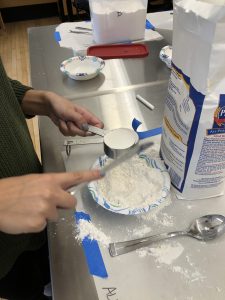
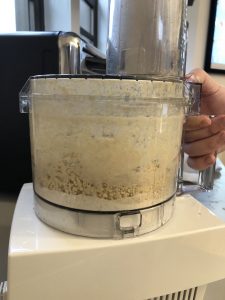
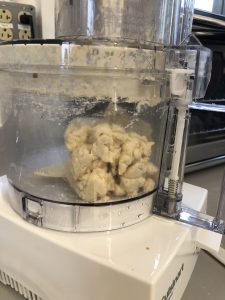
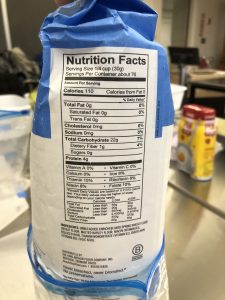
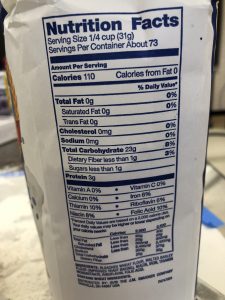
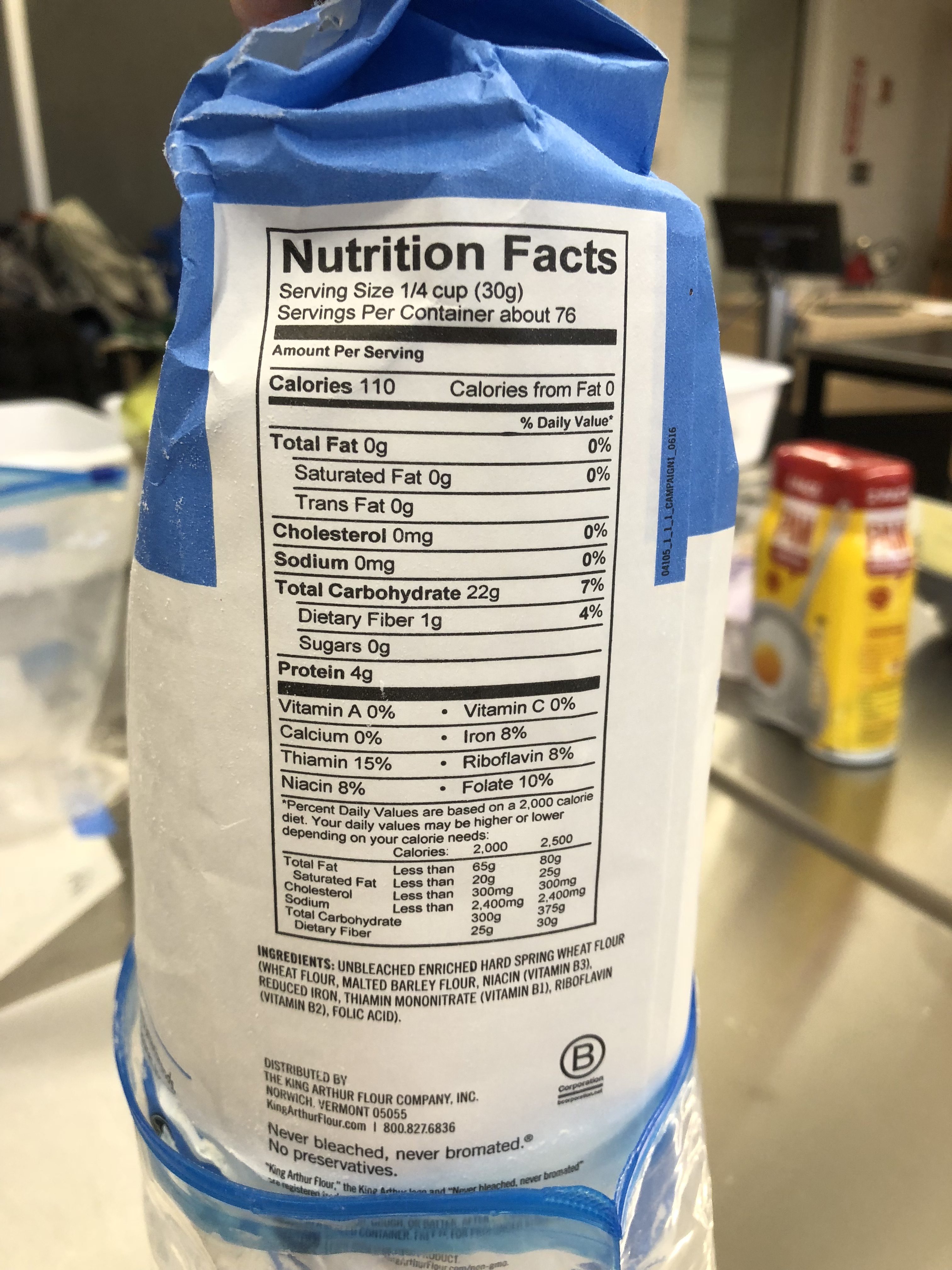
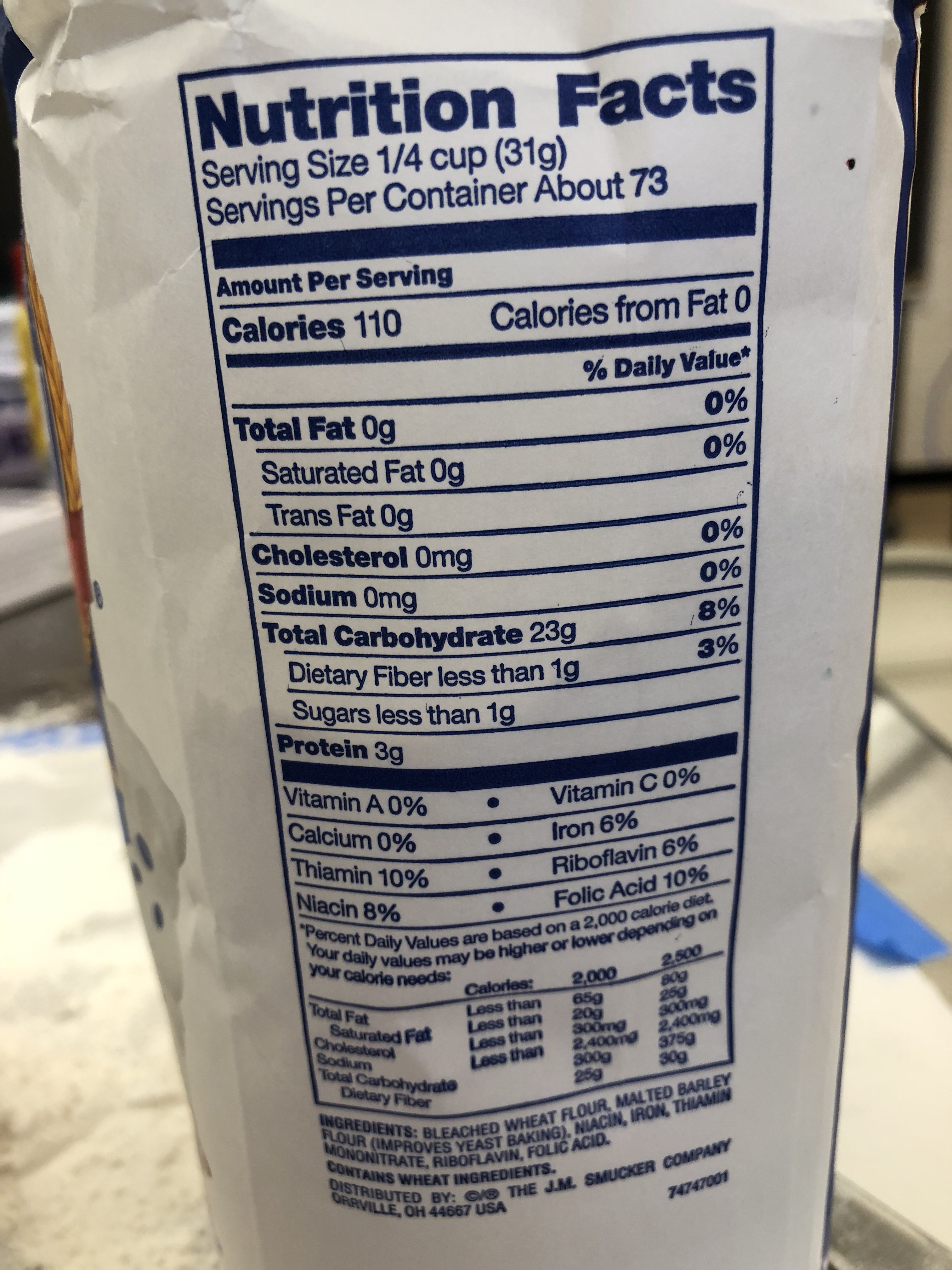
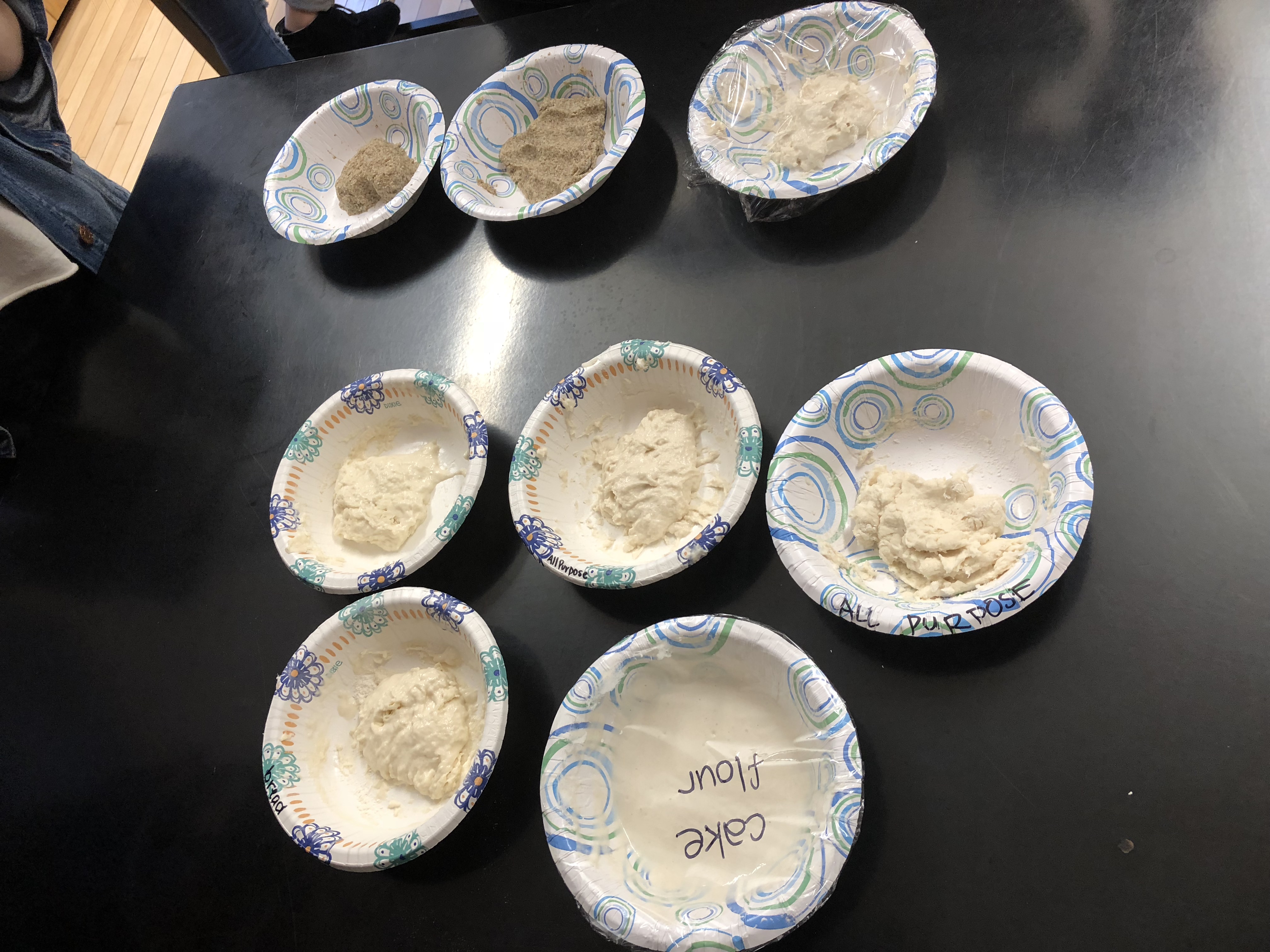
Bread Flour All Purpose Flour
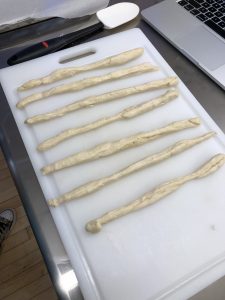
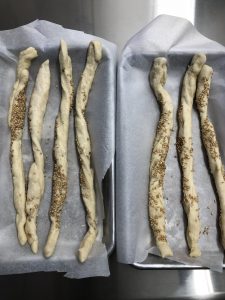
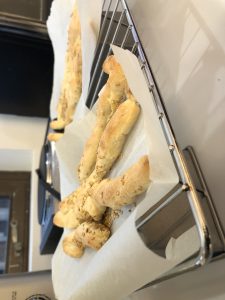
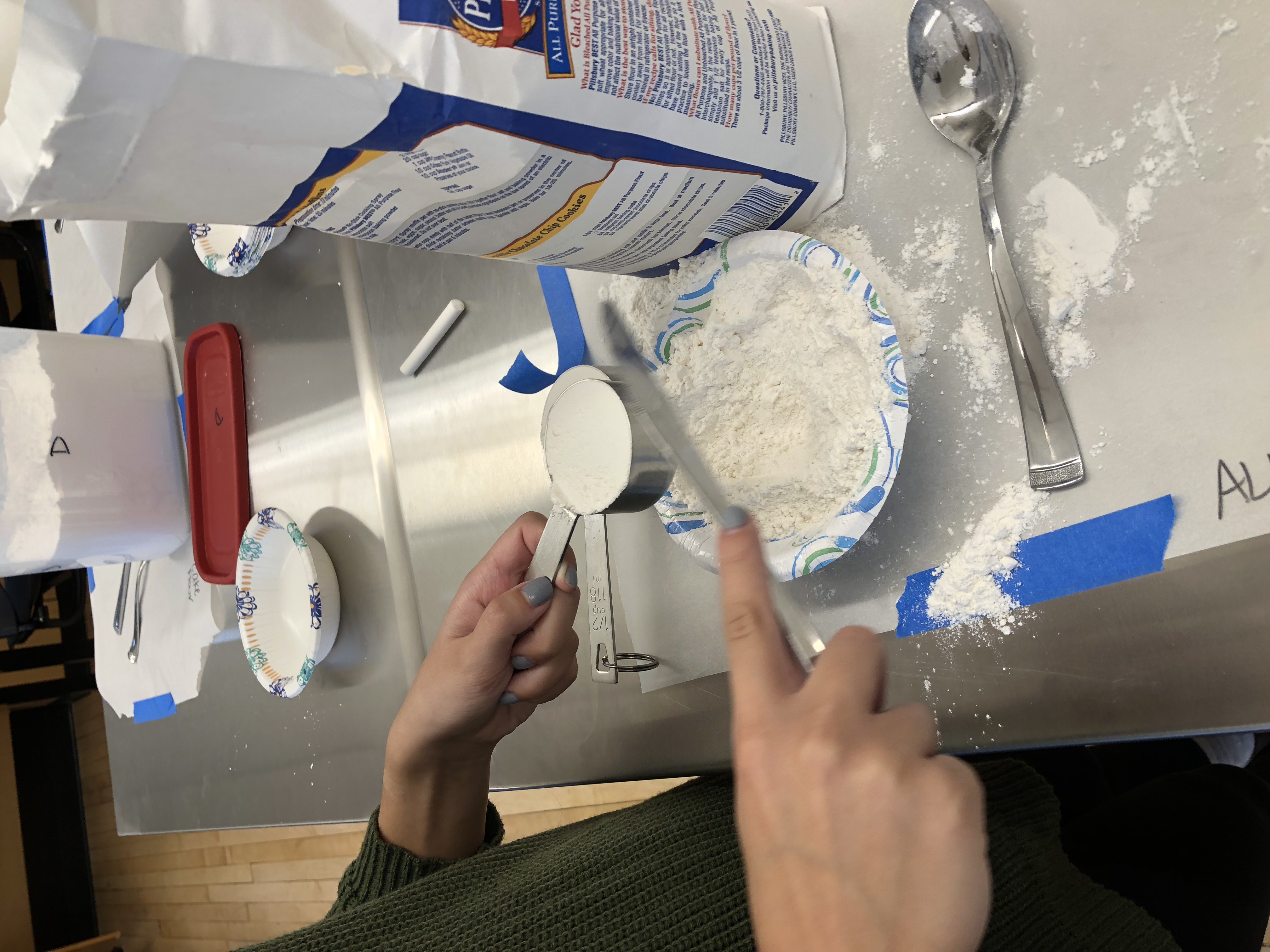
During the whole process, we compared both the raw dough as well as the texture and taste of breadsticks made with the different flour types. We saw that the cake flour had a looser consistency and was very soupy in appearance while the bread flour was a stiffer dough. All purpose flour on the other hand was in the middle, neither too loose nor too stiff, depending on the manufacturer. These results are interpreted as the dependent variable in this experiment. The independent variable is the protein content in the different flour types, as shown in the pictures.
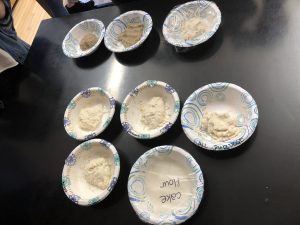
At the end of the lab experiment, we each traded one of our breadsticks with a team who used a different type of flour. My team traded our bread flour breadstick with another team’s rye flour breadstick and compared the textures. In the videos attached below, you can see the different textures of the bread and rye breadsticks when they are broken in half. The first video (1250) is the breadstick made with all purpose flour and bread flour and the second video (1252) is the all purpose and rye breadstick. When ripped in half, both of the breadsticks were soft on the inside. While the one with the bread flour ripped a little unevenly, the rye breadstick ripped evenly.